
Robotics Blog
Medical Robots: Top 4 Applications in Use Today
 In the past several decades, robots have played an increasingly important role in the healthcare industry – streamlining operations and improving the quality of patient care.
The first medical robot, the PUMA 560, was used in 1985 to place a needle for a brain biopsy using CT guidance. A few years later, robots started becoming more common in the operating room for their consistency and reliability. Now, robots are starting to take on new applications within the medical industry.
Top 4 Medical Robot Applications in the Medical Field
The following examples of robotic applications highlight some of the most fundamental ways robots are being integrated into the medical profession.
- Disinfectant Robots
Disinfectant robots, such as those made by Texas-based Xenex, are unique robots that provide a very important function. They detect bacterial and viral growth with high intensity ultraviolet light, while moving autonomously throughout a hospital, to disinfect public spaces. Hospital-acquired infections are all too common, and these robots address this problem head on.
- Rehabilitation Robots
Rehabilitation robots are used in a wide variety of ways, but mostly involve improving the mobility of patients with disabilities or recent accidents. These robots can be adapted to the specific condition of each patient, whether they’re recovering from a stroke, traumatic brain or spinal cord injuries, or other genetic diseases which restrict mobility.
ROI Calculator

Discover the potential cost savings of robotic automation over a 20-year system life
This calculator compares your current manual labor costs against the total cost of owning and operating a robotic system over its 20-year lifespan.
- IV Robots
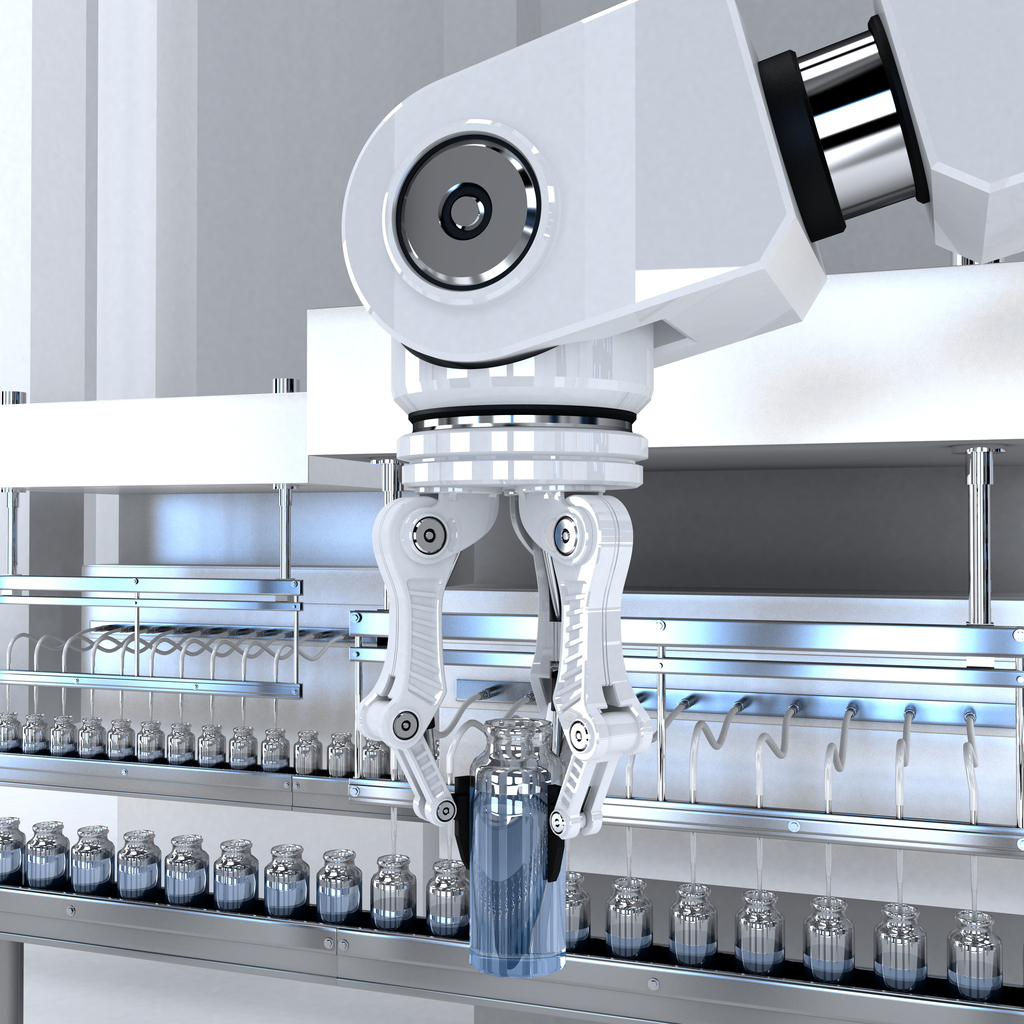
Robots are more and more being used in the preparation of IVs and other medicines, particularly for chemotherapy. Robots, by nature, are highly repeatable. This consistency makes them highly effective at mixing chemicals to create safe drugs for patients.
- Medical Transportation Robots
Medical transportation robots move autonomously through hospitals, delivering supplies, meals and medication to patients. This repetitive task is time consuming for nurses. Medical transportation robots enable better communication between nurses, doctors and other medical professionals, which improves the quality of care.
While there are dozens of exciting future robotics applications in the works, robots are laying the foundations of future applications today. The above robotic solutions provide fundamental services for any healthcare facility and are helping improve the overall quality of patient care.
Medical robots are part of a larger trend of collaborative robots – in other words, robots safely working alongside humans to boost their productivity, eliminate repetitive tasks and free their schedules to perform more cognitive-focused tasks.
Recent Posts
- 6 Companies Driving Automation in Mexico
- Humanoids on the Horizon: What Hurdles Remain for Widespread Adoption?
- Safety by Design: How Humanoid Robots Must Evolve to Depart the Walled Garden
- Are Robots Really Taking All the Manufacturing Jobs?
- The Shipping Industry Floats Emerging Opportunities for Maritime Automation
- New to Robotics? Start with These Fundamentals
- View All Robotics Blogs