
Robotics Blog
New to Robotics? Start with These Fundamentals
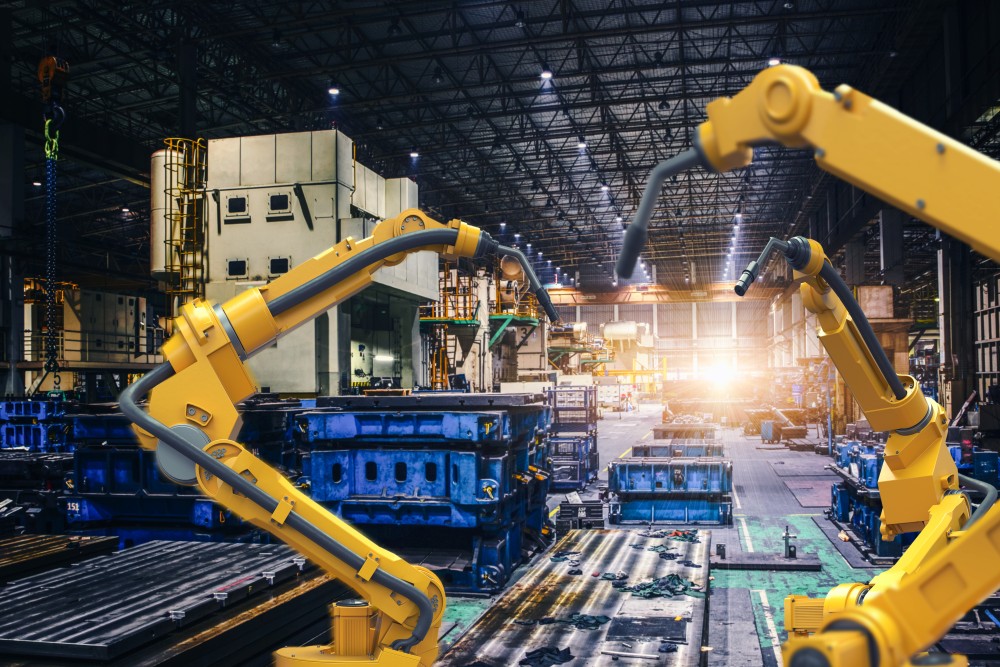 Industrial robotics is transforming industries from manufacturing and logistics to automotive, pharmaceuticals, and more, enabling rapid adoption of modern automation systems that increase efficiency, productivity, safety, quality, and cost effectiveness. As industrial robotics grows, more job functions than ever before will require an understanding of the key principles of robotics. If you are completely new to the industry or thinking about implementing automation into your processes for the first time, developing a system-level understanding of how industrial robots function is crucial.
Industrial Robotics Fundamentals
Robotics is a broad field, but understanding a handful of core concepts will help you understand what robots can do in industrial automation. For example, within an industrial setting, there are many different types of robots of varying sizes, with vastly different capabilities and application uses. Some robots can move about a factory floor autonomously, while others are stationary in a production line, or collaborate with humans working side by side safely. The robot types are chosen based on their capabilities, like mobility, flexibility, payload, etc., and are used in different applications like welding, pick-and-place, and material handling, just to name a few.
Within the world of robotics, companies fulfill different roles, from those who create the robot technology to those who install the robot systems, and those who use the robots within their facilities to enable automation. Each is dependent on the other in the ecosystem of robotics.
Another important principle to understand is that wherever a robot is found, safety is paramount. Global robotic safety standards exist to guide the industry in creating safe workplaces. Other resources, like risk assessments and safety trainings, are available to further educate companies and individuals implementing robots in their workplaces.
These concepts, plus many more, are covered in A3’s latest educational course: Introduction to Industrial Robotics. No prior experience is required for this course, says Christelle Keefer, A3 director of training and certification. Instead, it’s an ideal gateway for many. “For teams beginning to integrate robots, professionals entering robotics, recent hires, educators, students, and anyone exploring automation, this interactive course provides a practical starting point, covering the fundamentals of industrial automation, robot applications, and safety,” shares Keefer.
ROI Calculator

Discover the potential cost savings of robotic automation over a 20-year system life
This calculator compares your current manual labor costs against the total cost of owning and operating a robotic system over its 20-year lifespan.
Who Would Benefit From This Course?
This beginner robotics course is meant to help people understand the landscape, not operate the robots. Many job functions would benefit from this course’s knowledge. For instance, you may be a sales or marketing professional entering the industry, unsure of how to speak the language. Or maybe you’re a recent graduate or professional looking to break into automation, wanting to prepare yourself for future interviews. You could even work in any of the end-user industries like construction, agriculture, or a small manufacturing operation looking to adopt robotics into your processes. This course requires no pre-knowledge of the industry, as it will teach you the fundamentals needed to get started.
What Will You Learn?
This course introduces the basics of industrial robotics and automation. By the end, you’ll understand key concepts, common robot types, and how robots are used in manufacturing today. After completing this course, you’ll be able to:
- Differentiate flexible automation from hard automation
- Identify tasks appropriate for robotic automation
- Summarize key milestones in the development of industrial robotics
- Describe the roles of manufacturers, integrators, and end users
- Identify major components of an industrial robotic system
- Define essential robotics terminology
- Compare major industrial robot types and applications
- Explain fundamental robot motion and programming concepts
- Distinguish collaborative applications from traditional robot applications
- Identify key industrial robot safety principles
Get Started
Learn more about the Introduction to Industrial Robotics course and jump-start your learning goals in robotics. Enroll now to capitalize on our limited-time introductory pricing of $50 per person for A3 members and $75 for non-members.
Recent Posts
- 6 Companies Driving Automation in Mexico
- Humanoids on the Horizon: What Hurdles Remain for Widespread Adoption?
- Safety by Design: How Humanoid Robots Must Evolve to Depart the Walled Garden
- Are Robots Really Taking All the Manufacturing Jobs?
- The Shipping Industry Floats Emerging Opportunities for Maritime Automation
- Robotics Competitions Power the Next Generation of Automation Talent
- View All Robotics Blogs