
Motion Control & Motors Blog
What is Embedded Motion Control and What are the Benefits?
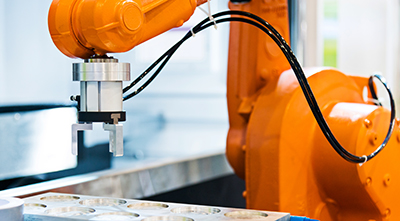 The growing need for increased efficiency is precisely why manufacturers, engineers, and designers are relying on embedded motion control systems. These optimized systems are ideal for a wide range of applications and offer meaningful benefits over traditional motion systems.
What is Embedded Motion Control?
Embedded motion control, unlike traditional systems, employs miniaturized components combined into a single unit. Embedded motion control systems feature all the same components you would expect in a traditional motion control system: interfaces for control and bus, software, actuators, sensors, and usually an AI component. The difference in these systems is the compact design that allows engineers and manufacturers to incorporate motion control into devices with greater ease and increased capability for synchronization with other systems.
Where Is Embedded Motion Control Used?
Thanks to its streamlined, compact design and improved energy efficiency, embedded motion control is being incorporated into a variety of products for use in diverse industry applications. For instance, 3D printing devices and highly accurate environmental controls use these new embedded motion control systems. Other uses include drones, robotics, and wearable technology. This technology is also used in “smart home” devices like automatic window blinds or home security cameras.
Certified Motion Control Professional Program
Strengthen Your Skills and Enhance Your Career
Become a Certified Motion Control Professional (CMCP) and join the elite group of system integrators, machine builders, manufacturers, end-users and others recognized in the industry for their professional knowledge and expertise.
What are the Benefits of Embedded Motion Control?
For industries in need of enhanced motion control capability, embedded designs offer some very significant advantages, including:
- Improved ease-of-use: compact, integrated design provides more flexibility
- Decreased material cost: systems are more cost-effective for manufacturers
- Advanced synchronization: simpler, more efficient connection between other controls and applications
Due to the compact size of components, embedded motion control expands possibilities for a wider variety of applications.
Recent Posts
- Emerging Technologies Driving Modern Motion Control Systems: Five Trends Reshaping Factory Automation
- Electronic Camming: Enabling Superior Flexibility in Advanced Motion Control Systems
- Electronic Camming: Enabling Superior Flexibility in Advanced Motion Control Systems
- How Electrification is Reshaping Motion Control
- Motion Control in Harsh Environments: Engineering for Extremes
- Next-Generation Motion Control: Integrating IIoT and Real-Time Data Analytics
- View All Motion Control & Motors Blogs