
Blog
Modern Design Challenges in Machine Vision Systems
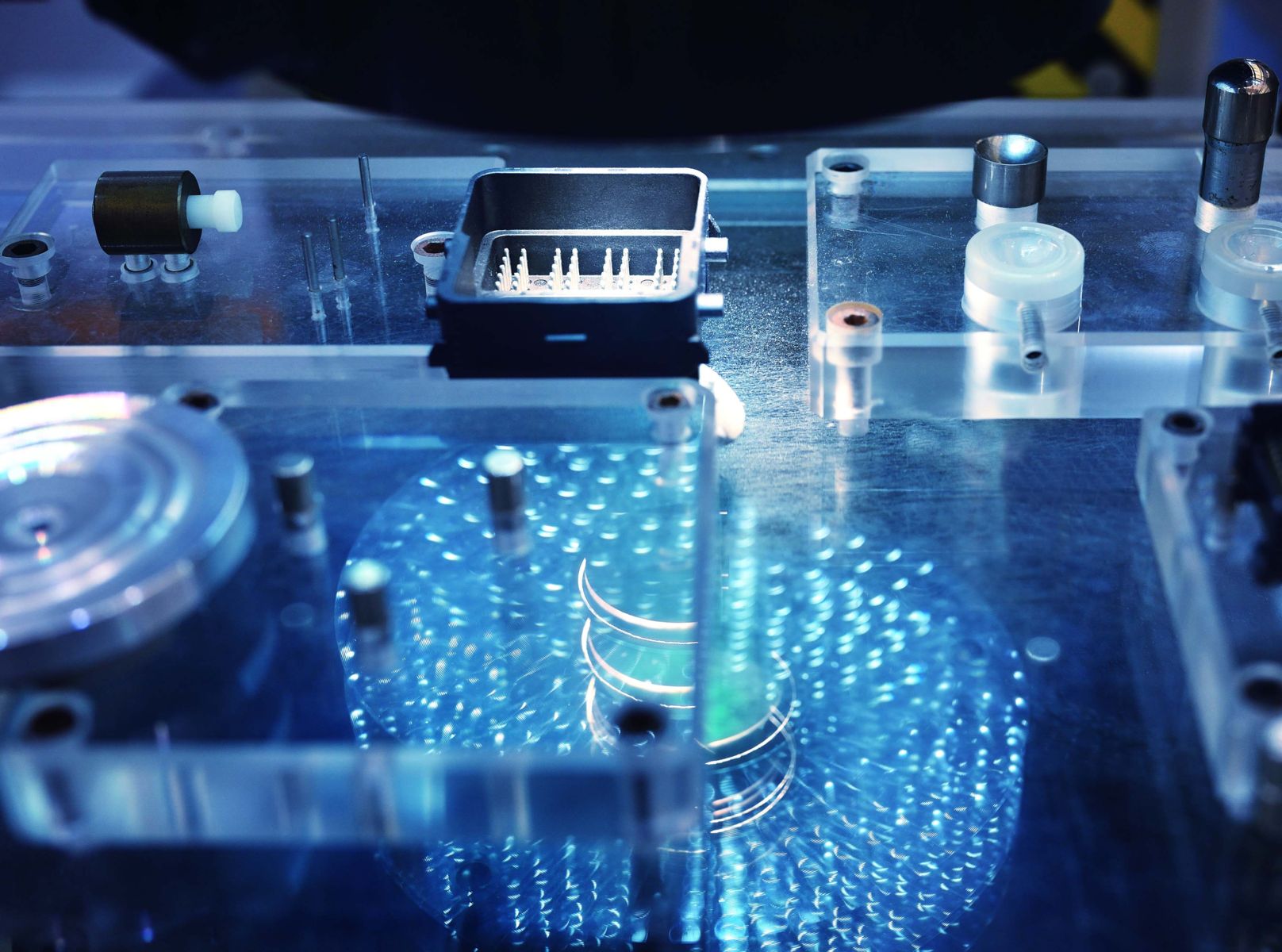 Today’s machine vision systems are more advanced and more capable than ever. With higher resolutions, sensitivities, and frame rates, modern machine vision systems have advanced in many ways. Typically, this innovation must happen in parallel among all components of a vision system, which can create problems.
For example, the increasing resolutions of CMOS sensors has the potential to create far clearer imaging, but this resolution also dictates changes to the lens and interface of the system. The whole of a machine vision system is connected - a change in one component means changes for all the components. Innovation must occur industry-wide for machine vision systems to truly progress.
Challenges in Machine Vision Lenses
Modern drone applications, for example, are depending on higher resolution sensors to capture a wider area in their limited flight time. The need for greater resolution in large format CMOS sensors is straightforward. But this comes with challenges for lens designers.
Oftentimes, light passing through filter assemblies in these applications causes the light to shift more towards the blue part of the spectrum. Now, lens designers must account for this blueshift in applications using filter assemblies when designing lenses for drone applications. It’s this type of innovation in one component that requires innovation in another.
Certified System Integrator Program
Set Yourself at the Forefront of the Global Vision Market
.jpg) Vision system integrators certified by A3 are acknowledged globally throughout the industry as an elite group of accomplished, highly skilled and trusted professionals. You’ll be able to leverage your certification to enhance your competitiveness and expand your opportunities.
Vision system integrators certified by A3 are acknowledged globally throughout the industry as an elite group of accomplished, highly skilled and trusted professionals. You’ll be able to leverage your certification to enhance your competitiveness and expand your opportunities.
Accounting for Light Source in Machine Vision Design
While lens design must account for innovations in sensor design, light sources must also account for changes in lens design. Light that falls outside a lens’ field of view contributes to glare and reduced image contrast - it’s critically important to ensure the optimal light rays are collected by the lens, while suboptimal rays are not.
The wavelength of light emitted is important for the success of the machine vision system too. Narrowband light sources, such as LED lights, are increasingly common because it minimizes the amount of correction a lens needs to make for a light source, allowing for new options to increase contrast in an image.
Machine vision systems are rapidly progressing in capabilities across the board. From CMOS sensors to lenses and light sources, every component of a machine vision system must keep pace with this rate of innovation to truly achieve greater capabilities.
Recent Posts
- How 3D Vision Systems Are Transforming Food Manufacturing
- These Farms Are Harnessing Machine Vision for Smarter Agriculture
- Revealing the Hidden Effects of Climate Change with Advanced Imaging
- Innovative Machine Vision Lenses and Trends
- An Early Look at GigE Vision 3.0
- Looking at the Latest Machine Vision Standards Updates
- View All Blogs