
Motion Control & Motors Blog
Recent Trends in Motion Control and Industrial Motors
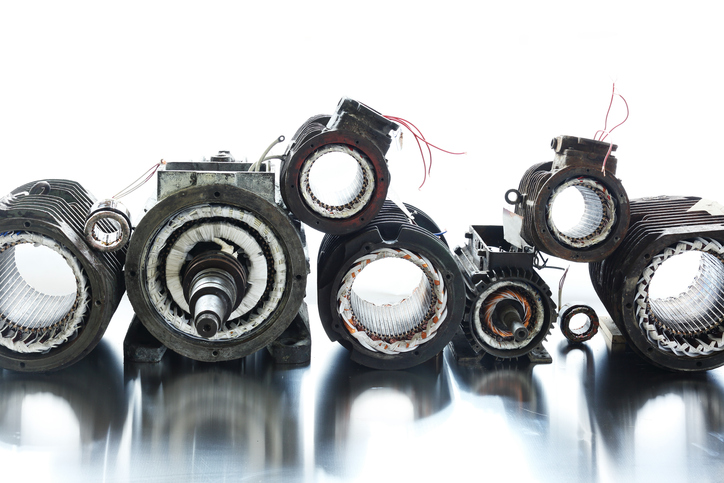 The motion control and motor industry is constantly changing. Consumers are demanding more products at lower prices – a major force of change in the manufacturing industry that has ramifications all the way up the supply chain. As motor suppliers work to meet consumer demands, technology and processes change.
Today, motors used in motion control demand higher efficiencies and smaller footprints.
3 Trends in Motion Control and Industrial Motors
While there are many different trends occurring within the motion control and motors industry, there are 3 major trends that are impacting the form and power of industrial motors
- Higher Performance
Today, consumers are requiring higher performance motors from manufacturers than ever before. Typically, this means they want higher torque in the same size motor, or the same amount of torque in a smaller motor. Automated guided vehicles (AGVs) and portable devices are some of the primary drivers of this trend.
- Customization
In an effort to achieve a competitive advantage, many consumers today are now requesting customized motors more suited to their unique application. This may come in the form of small tweaks to a stock design for easier integration or changes to the electromagnetic elements of the motor for greater power density. Regardless, end users are increasingly requesting customized motors, and motor suppliers are readily meeting these demands.
ROI Calculator

Discover the potential cost savings of robotic automation over a 20-year system life
This calculator compares your current manual labor costs against the total cost of owning and operating a robotic system over its 20-year lifespan.
- Frameless Motors
Frameless motors are gaining popularity in plant floor equipment, especially for those using them in robotic arms. Frameless motors don’t have a shaft – they’re shipped as separate rotors and stators that are directly integrated into the machine. This gives the design flexibility manufacturers need to get a leg up on the competition.
These three trends are some of the most disruptive in the motion control and motors industry. As consumers demand more, suppliers demand more to remain competitive and meet the needs of their customers.
All of this pressures machine builders to create more efficient, customized motors, sometimes in a frameless form. Motors are changing to meet the ever-increasing needs of automation across the world.
Recent Posts
- Emerging Technologies Driving Modern Motion Control Systems: Five Trends Reshaping Factory Automation
- Electronic Camming: Enabling Superior Flexibility in Advanced Motion Control Systems
- Electronic Camming: Enabling Superior Flexibility in Advanced Motion Control Systems
- How Electrification is Reshaping Motion Control
- Motion Control in Harsh Environments: Engineering for Extremes
- Next-Generation Motion Control: Integrating IIoT and Real-Time Data Analytics
- View All Motion Control & Motors Blogs