
Motion Control & Motors Blog
Motor Size Matters
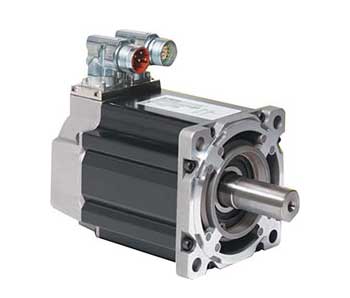 Motor size is an important factor in optimizing machine performance while minimizing waste and maintenance issues. Choosing the right sized motor not only makes a device more effective, but lengthens its functional life. When a motor is matched effectively to its intended load, it is far less likely to overheat – as important a safety concern as anything else.
Before motor selection can take place, the engineer needs a firm understanding of how a system will be used. A pitfall of motor selection to avoid is a “one size fits all” choice that is intended to drive heavier loads than the equipment will actually encounter. Not only is this wasteful, it can be dangerous over time.
A key consideration in motor sizing is knowing what kind of load will be driven.
There are three load categories:
- Constant Torque – Steady load with little variance, such as centrifugal compressors;
- Variable Torque – Loads that vary relatively slow, usually between 20% and 100%;
- Shock Load Torque – Loads that vary suddenly and to a great extent, as with saws.
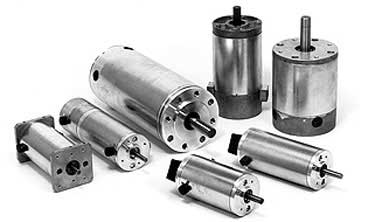 Estimating Engine Horsepower Based on the Load Type
Knowing the load type is a major step in sizing your engine. Although every application is different, load characteristics provide some basic guidelines that will be applicable in most cases.
ROI Calculator

Discover the potential cost savings of robotic automation over a 20-year system life
This calculator compares your current manual labor costs against the total cost of owning and operating a robotic system over its 20-year lifespan.
- Constant Load: The load can usually be determined from the nameplate on the driven unit – it can also be manually calculated by measuring the torque needed to turn the load. When selecting a motor, the load should be 75%-100% of the rated capacity. If the load is steady and the duty cycle is long, you can optimize efficiency by using 90%-95%.
- Variable Load: Sizing a motor in this situation begins with knowing the entire load range it must handle throughout a duty cycle. Peak load will guide most decisions, as the motor must manage peak demand without overheating. After determining the peak load and how long it will be maintained, you can size the motor accordingly.
Learn More About Motor Sizing at Tech Con 2016
Motor sizing is crucial for a wide range of motion control projects. At the upcoming MCMA 2016 Technical Conference in New Orleans happening this October 11-13, engineers can delve deeper into this topic face-to-face with industry experts. The conference will include a session on “Positioner Selection and Motor Sizing” led by Jim Wiley and Parker Hannifin. Visit us online to learn more about MCMA TechCon 2016 and to register.
Recent Posts
- Emerging Technologies Driving Modern Motion Control Systems: Five Trends Reshaping Factory Automation
- Electronic Camming: Enabling Superior Flexibility in Advanced Motion Control Systems
- Electronic Camming: Enabling Superior Flexibility in Advanced Motion Control Systems
- How Electrification is Reshaping Motion Control
- Motion Control in Harsh Environments: Engineering for Extremes
- Next-Generation Motion Control: Integrating IIoT and Real-Time Data Analytics
- View All Motion Control & Motors Blogs