
Motion Control & Motors Blog
Choosing a Linear Actuator for Harsh Application Conditions
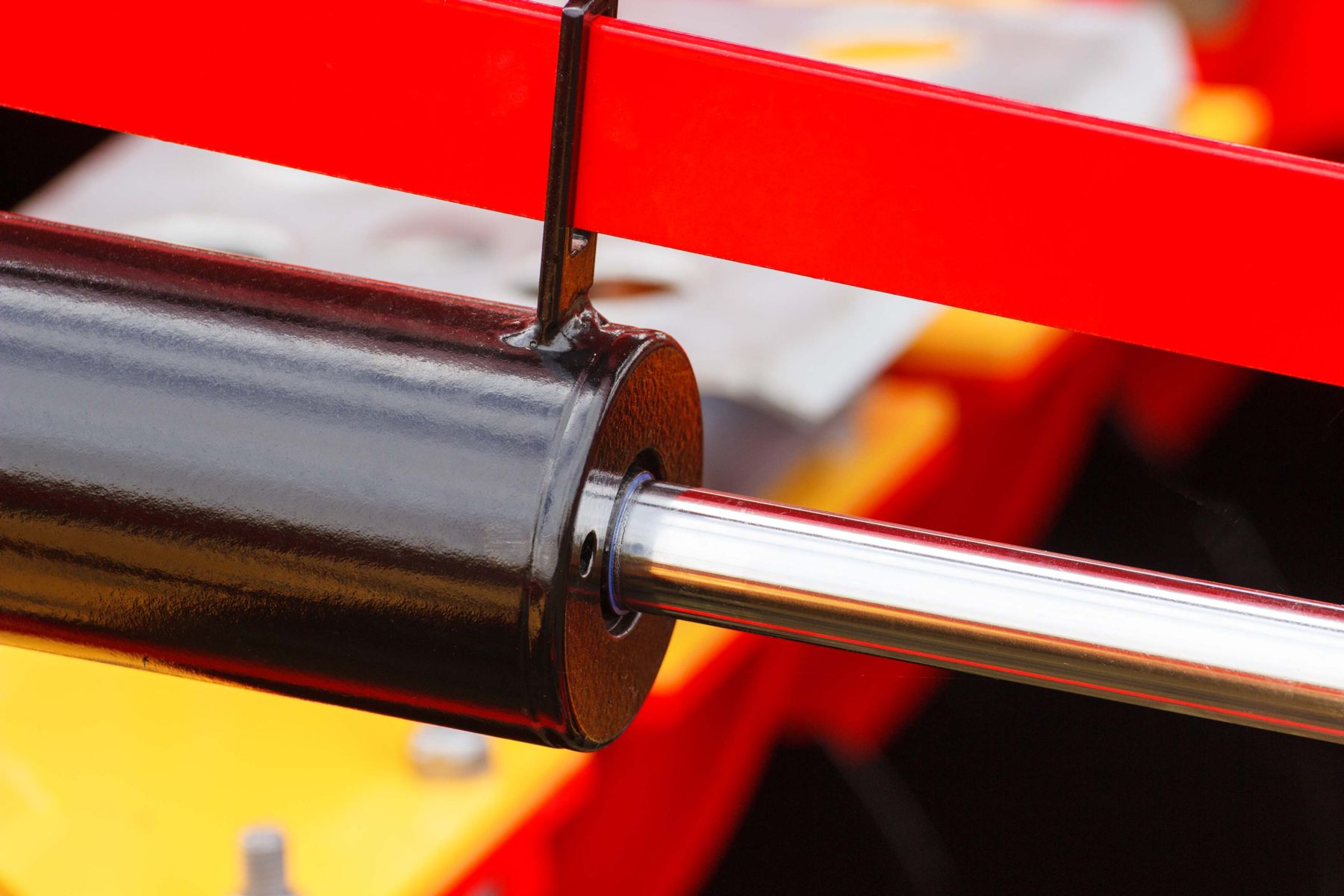 Linear actuators in motion control applications are increasingly being used in harsh manufacturing environments that subject them to extreme conditions, creating increased risks of failure.
Choosing a linear actuator is not always a straightforward process, and the unique application considerations of harsh environments can add to this challenge. It’s best to first consider the performance levels desired and then consider resistance to the environment.
Identifying Linear Actuator Performance Parameters for Your Application
Important performance considerations are the levels of power consumption, ease of use, and flexibility required for your application. Traditional electric rod actuators, or integrated actuators, may be the best option when operating efficiency is a top consideration. When easy configuration and low integration efforts are most important, pneumatic rod actuators may be your best option.
If neither of the above are particularly important to your application and operational flexibility is the highest priority, electric rod actuators and integrated actuators are a great choice. They are adept at handling multiple stops or defined speeds as they are highly programmable.
Certified Motion Control Professional Program
Strengthen Your Skills and Enhance Your Career
Become a Certified Motion Control Professional (CMCP) and join the elite group of system integrators, machine builders, manufacturers, end-users and others recognized in the industry for their professional knowledge and expertise.
Considering Harsh Environments for Linear Actuators
After considering the performance parameters, it’s vital to consider the specifics of the environment you’re operating in. Material selection and coatings are critical considerations when dealing with extreme temperatures, abrasive chemicals or frequent wash downs. Oftentimes, stainless steel, hard anodized-aluminum, or resistant polymers offer the best protection.
Sealing strategies are important in maintaining the integrity of actuators - the level of protection offered is identified by its ingress protection (IP rating). The actuator you choose should also have proprietary design considerations for vibration and shock resistance, as both of these can affect actuator performance and cause unscheduled downtime. Case hardening of shafting is a good way to avoid vibration and shock in harsh environments.
Linear actuator failure can cause system failure and costly downtime. Choosing a linear actuator for harsh industrial environments can require additional planning, but the few considerations outlined above will point you in the right direction so you can maximize uptime and productivity in your application.
Share This On X:
Recent Posts
- Emerging Technologies Driving Modern Motion Control Systems: Five Trends Reshaping Factory Automation
- Electronic Camming: Enabling Superior Flexibility in Advanced Motion Control Systems
- Electronic Camming: Enabling Superior Flexibility in Advanced Motion Control Systems
- How Electrification is Reshaping Motion Control
- Motion Control in Harsh Environments: Engineering for Extremes
- Next-Generation Motion Control: Integrating IIoT and Real-Time Data Analytics
- View All Motion Control & Motors Blogs