
Vision & Imaging Blog
CCD vs CMOS Image Sensors: Which are Better?
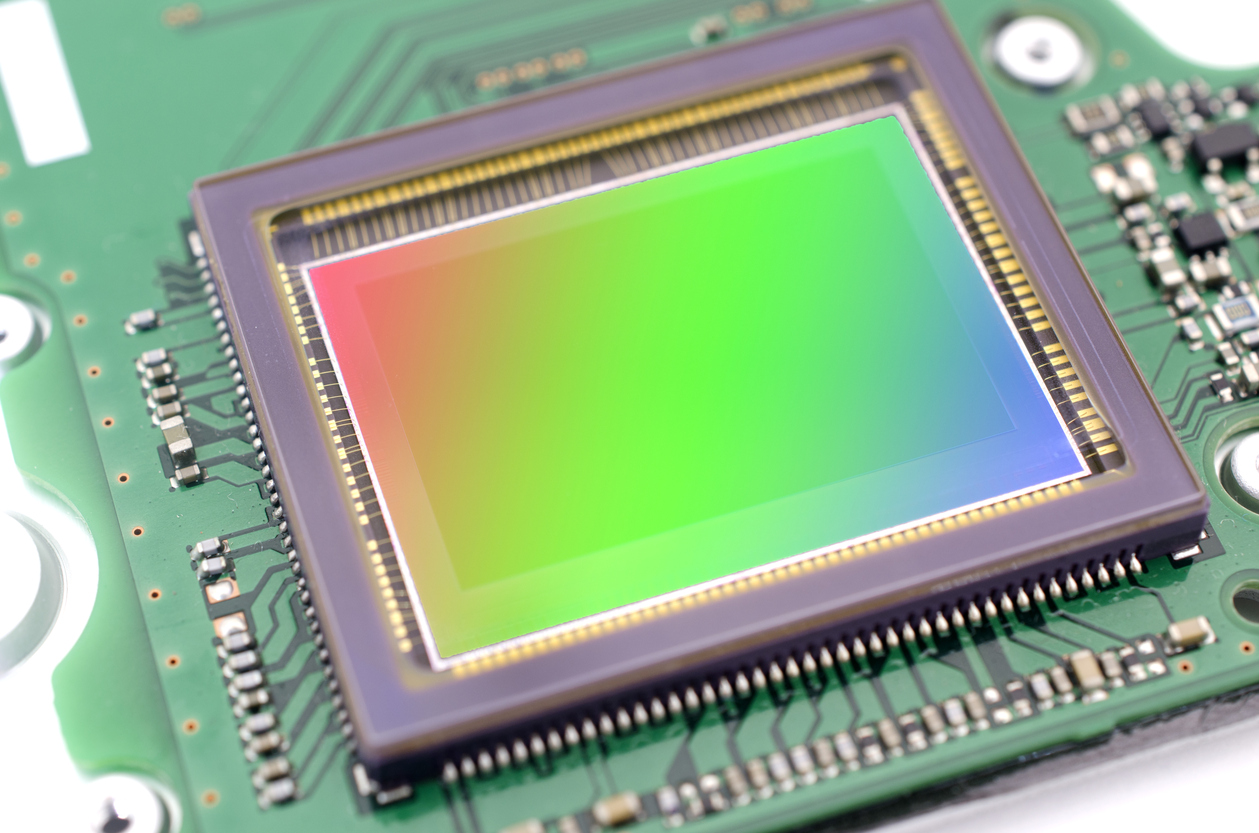 When considering different designs in an imaging system, one of the major decisions to be made is whether you should use a CCD image sensor or a CMOS image sensor. The rest of your imaging system will revolve around this choice, as will the resulting performance of the imaging system.
So, is one better than the other? How do you know which is better for you?
CCD vs CMOS Image Sensors: Performance Considerations
CCD image sensors have been around longer than CMOS image sensors, mainly due to their long-standing superiority in imaging performance. While recent CMOS sensors have been approaching – or sometimes equaling – CCD performance, CCD sensors have been the superior sensor for some time.
This is mainly because CCDs have the ability to transport charge across the chip without distortion, which creates their extreme light-sensitivity and high-quality imaging. CCDs produce analog signals where all of the pixel is devoted to light capture. In contrast, CMOS image sensors produce digital signals and each pixel performs its own charge-to-voltage conversion, reducing uniformity.
ROI Calculator

Discover the potential cost savings of robotic automation over a 20-year system life
This calculator compares your current manual labor costs against the total cost of owning and operating a robotic system over its 20-year lifespan.
CCD image sensors, with their light sensitivity, are great for near infrared (NIR) imaging applications and other applications that require unusually high image quality. CMOS sensors, which have recently approached CCD-quality, have become the more common image sensor for most other imaging applications.
CCD vs CMOS Image Sensors: Cost Considerations
CCD image sensors are far more expensive than CMOS image sensors. Cost is a major consideration for most imaging applications and CMOS sensors have a major edge here.
If you need a custom image sensor for your application, it may make sense to consider a CCD image sensor since you will be spending quite a bit anyways. It also makes sense to consider CCD sensors if you have an NIR or atypically challenging imaging application. Otherwise, CMOS sensors, with their similar performance and far cheaper costs, may make the most sense for you.
In the end, one image sensor is not better than the other when taken out of context. Which sensor you need will be entirely dictated by the needs of your specific application.
Recent Posts
- How 3D Vision Systems Are Transforming Food Manufacturing
- Autonomous Driving Technology: Dueling Approaches Fight for Control of the Wheel
- These Farms Are Harnessing Machine Vision for Smarter Agriculture
- Revealing the Hidden Effects of Climate Change with Advanced Imaging
- Innovative Machine Vision Lenses and Trends
- An Early Look at GigE Vision 3.0
- View All Vision & Imaging Blogs