
Robotics Blog
When Do You Need a Vision System for Robotic Automation?
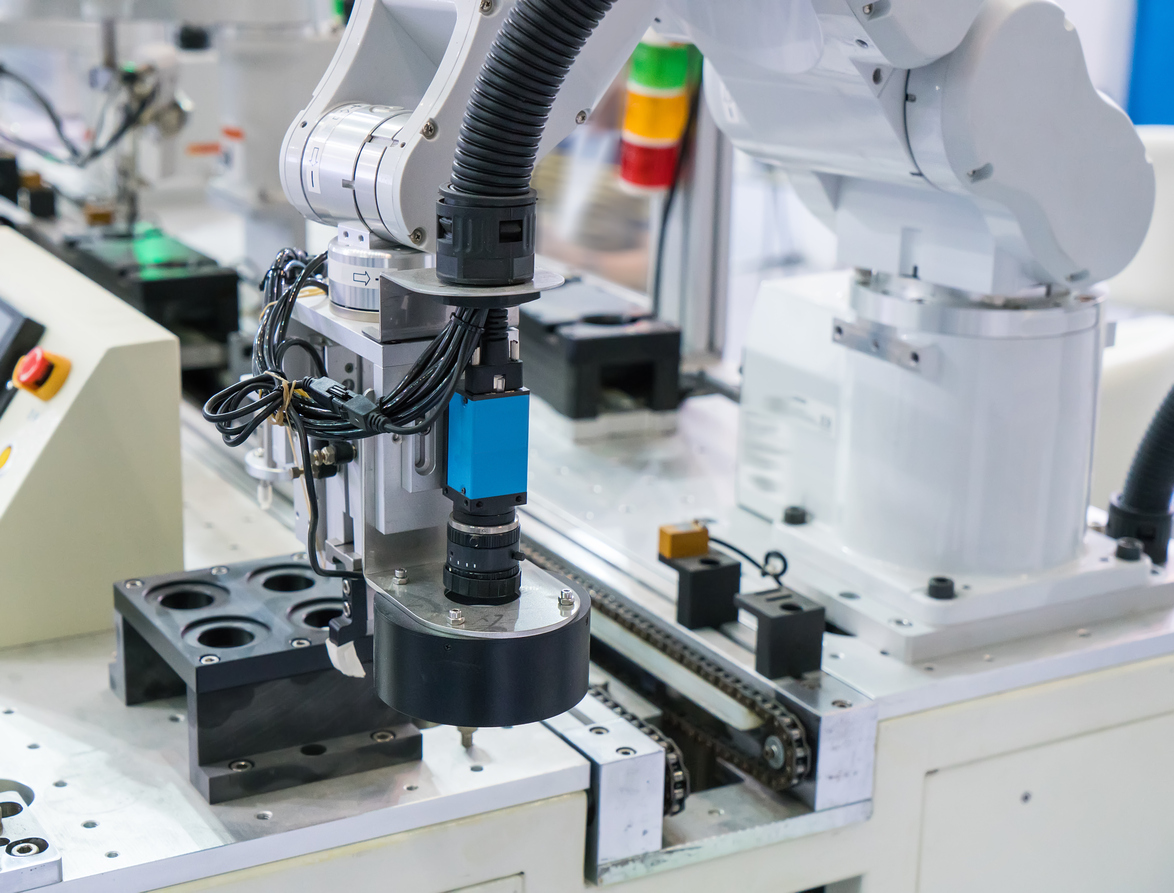 Vision guided robots (VGRs) open up entirely new possibilities in manufacturing and industrial automation. VGRs have functionality that their “blind” counterparts do not, but investing in a vision system for robots is a big decision.
If you don’t have a vision system when you need one, it will lead to constant failures on the part of the robot. This creates unnecessary downtime, which quickly raises operating costs, and requires regular human intervention.
On the other hand, having a vision system that you don’t need is expensive. So how do you know when you need a vision system for your robots?
Applications that Need a Vision System for Robotic Automation
Vision and robotic systems, when integrated, make a powerful combination. But how do you know when it makes sense for your application? There are a few different types of applications that call for VGRs.
Flexibility in Functionality
When robots need to perform several different functions, vision systems will be necessary. For example, if a material handling robot has to pick up parts of different sizes in the same batch, it will require vision to do this. Same goes for robots that must determine part locations. Essentially, any application where location, size and function isn’t fixed will require a vision system.
ROI Calculator

Discover the potential cost savings of robotic automation over a 20-year system life
This calculator compares your current manual labor costs against the total cost of owning and operating a robotic system over its 20-year lifespan.
Little Operator Oversight
As mentioned, robots without vision systems that must perform flexible functions will constantly fail and require operator intervention. If your production operations won’t allow for regular operator oversight, your robotic system will need a vision system.
Collaborative Work
At the same time, if robots need to work alongside human workers, then a vision system is typically necessary for safety reasons. Collaborative robots, or ‘cobots’, are built to safely work with humans and often require vision systems to identify nearby humans and turn off or slow down to avoid injury.
Vision systems are becoming more and more common in robotic systems. VGRs have significantly more functionality than “blind” robots and can automate more than one task. While vision systems can be a big investment, often times they’re required for your application.
Recent Posts
- 6 Companies Driving Automation in Mexico
- Humanoids on the Horizon: What Hurdles Remain for Widespread Adoption?
- Safety by Design: How Humanoid Robots Must Evolve to Depart the Walled Garden
- Are Robots Really Taking All the Manufacturing Jobs?
- The Shipping Industry Floats Emerging Opportunities for Maritime Automation
- New to Robotics? Start with These Fundamentals
- View All Robotics Blogs