
Robotics Blog
The Benefits of Automation in the Food Industry
Food producers and distributors often operate within narrow margins and high quality standards. When it comes to raising profit while providing consumers with an even better product, robotic automation is a natural fit. Despite this, it has yet to reach its full potential.
Until recently, leaving food cultivation, preparation, and distribution to machines was nearly unthinkable. Now, however, robotic systems are 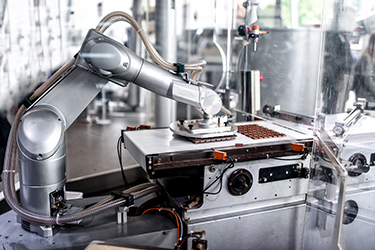 emerging that can accelerate and streamline all these processes. From soil to plate, complete automation is within reach.
From Automated Agriculture to Automated Processing Plants
Over the last decade, automated farm equipment and crop monitoring systems have made farmers’ jobs easier. Robots help ensure the land is used efficiently – minimizing pests, soil exhaustion, and the most back-breaking human labor.
However, as food gets closer to the plate, robots have traditionally receded ... until now.
Automation systems are now being developed, tested, and piloted that will grapple with food science challenges further down the supply chain. Although widespread adoption may still be a ways off, promising signs have been seen in these areas:
Quality Control
Quality is the overarching concern for both food producers and consumers. When processing and packaging are automated, defects can be noticed and isolated more easily. This helps to ensure faulty products do not enter the marketplace and underlying manufacturing faults are corrected.
ROI Calculator

Discover the potential cost savings of robotic automation over a 20-year system life
This calculator compares your current manual labor costs against the total cost of owning and operating a robotic system over its 20-year lifespan.
Improved Safety
Automation and machine vision can work together to provide a more granular view of every step in food processing. Leaders can adapt more quickly to changes in safety standards because a change in one process will not introduce unexpected consequences in other areas.
End to End Traceability
Traceability is a growing concern in many industries. When products are traceable, companies can capture better quality, safety, and profitability at once. By streamlining traceability, food producers can cut down on regulatory compliance costs and continuously improve key processes.
Brand Protection
Food producers rely upon their brand reputation to maintain a good relationship with the end consumer. A single product recall or disease outbreak can be enough to shutter a business – and it can throw customers’ lives into chaos. In the end, automation means brand protection.
For further information on how robotics will impact food cultivation and distribution, access the archived RIA webinar: Robotics and the Food Industry. This informative presentation addresses the emerging intersection between robotic automation and fundamental food industry challenges – including food safety, waste reduction, and food product delivery.
Recent Posts
- Adaptive Robotics Is Expanding What's Possible in Manufacturing
- Creating a Safety Culture in Your Organization at the International Robot Safety Conference
- 6 Companies Driving Automation in Mexico
- Humanoids on the Horizon: What Hurdles Remain for Widespread Adoption?
- Safety by Design: How Humanoid Robots Must Evolve to Depart the Walled Garden
- Are Robots Really Taking All the Manufacturing Jobs?
- View All Robotics Blogs