
Robotics Blog
4 Extreme Application Environments Today’s Industrial Robots are Automating
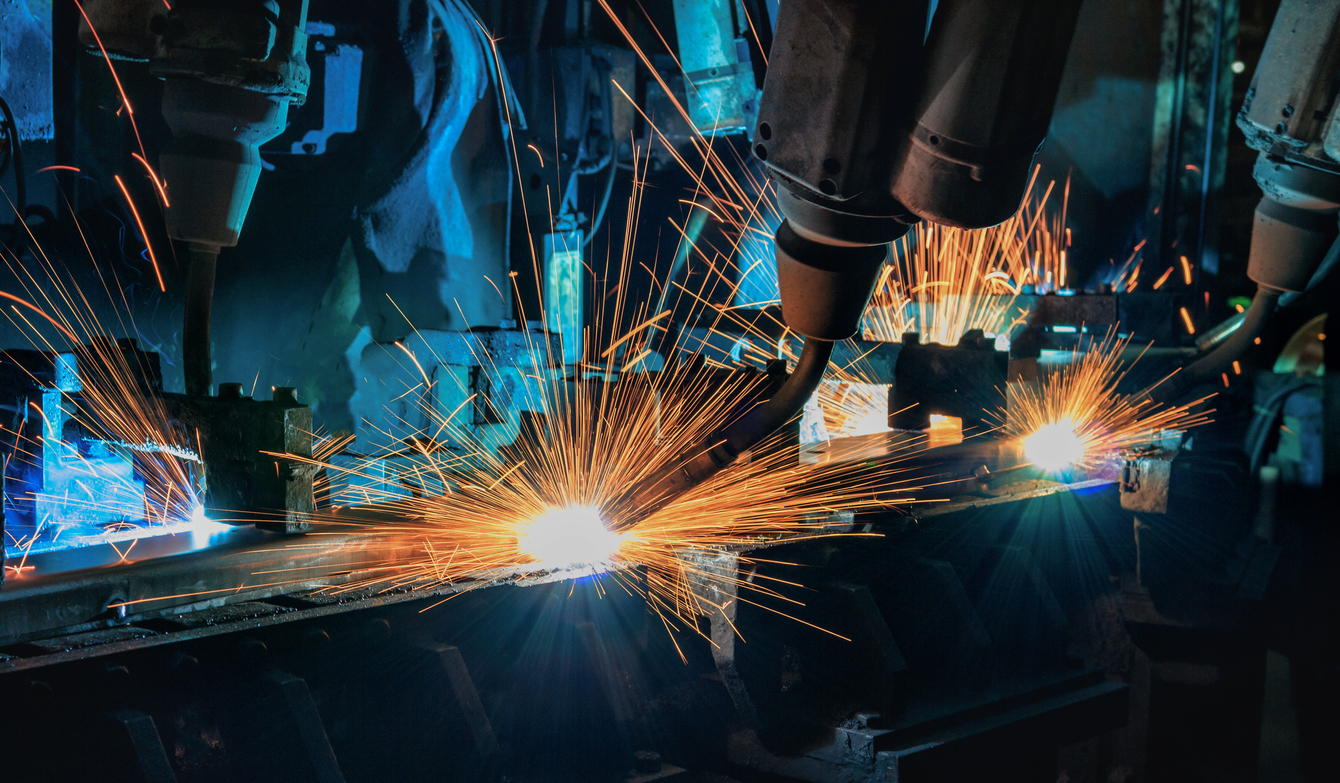 Industrial robots are notorious for their ability to tackle tough, dirty, and dangerous applications. In the early days of automation, these were some of the most profitable tasks for robotic automation. Since then, they’ve made their way into a wide range of applications inside and outside of the factory setting.
Today, industrial robots are still automating some of the toughest and most dangerous tasks out there, every day saving human laborers from extremely high temperatures, toxic chemicals, and overly strenuous jobs that can cause injury or sickness.
4 Dangerous Applications that Industrial Robots Tackle Today
Industrial robots are capable of automating some truly grueling tasks in the modern manufacturing environment. The four below are some of the most extreme.
- Furnace Tapping
Furnaces used for phosphorus reduction or steel smelting create waste products in the form of molten slag, which reaches temperatures of 1650oC. This slag must occasionally be removed from the furnace in a process called tapping. Not only are the temperatures extreme, but noxious fumes and toxic dust are also emitted by furnaces. This highly dangerous environment for a human can be automated with a robot wearing a heat-resistant suit, typically mounted to the ceiling on a 7thaxis positioner.
- Assembling Industrial Batteries
The process of building industrial batteries creates heavy payloads, molten lead, and airborne lead dust – all of which can be hazardous to human workers. Industrial robots, on the other hand, can operate in this environment with no problem at all. In particular, robots with heavy payloads, long reach, and a high degree of repeatability excel in battery applications.
ROI Calculator

Discover the potential cost savings of robotic automation over a 20-year system life
This calculator compares your current manual labor costs against the total cost of owning and operating a robotic system over its 20-year lifespan.
- Manufacturing Hazardous Drugs
Nearly 8 million U.S. healthcare workers are potentially exposed to hazardous drugs, the National Institute for Occupational Safety and Health claims. For safety and efficiency reasons, industrial and collaborative robots are used to handle hazardous drugs through the manufacturing and preparation processes. Whether it’s chemotherapy, cytotoxic, or oncology drugs, robots are immune to the consequences of these drugs.
- Palletizing in Sub-Zero Temperatures
In the consumer-packaged goods (CPG) industry, some cold warehouses can reach sub-zero temperatures to preserve the quality of the food being stored. Some industrial robots, in order to meet the demands of these conditions, are able to handle heavy payloads in temperatures as low as -30oC for palletizing applications. Typically, these robots are also fast enough to be profitable for CPG distributors and grocery chains while taking up a minimal amount of floor space.
Industrial robots today automate some of the most demanding applications in existence. Whether it’s -30oC or 1650oC, toxic chemicals or hazardous drugs, industrial robots save humans from dangerous working conditions every day.
Share This On X:
Today, industrial robots are still automating some of the toughest and most dangerous tasks out there, every day saving human laborers from extremely high temperatures, toxic chemicals, and overly strenuous jobs that can cause injury or sickness.
Industrial robots today automate some of the most demanding applications in existence. Whether scorching or freezing, toxic chemicals or hazardous drugs, industrial robots save humans from dangerous working conditions every day.
Recent Posts
- 6 Companies Driving Automation in Mexico
- Humanoids on the Horizon: What Hurdles Remain for Widespread Adoption?
- Safety by Design: How Humanoid Robots Must Evolve to Depart the Walled Garden
- Are Robots Really Taking All the Manufacturing Jobs?
- The Shipping Industry Floats Emerging Opportunities for Maritime Automation
- New to Robotics? Start with These Fundamentals
- View All Robotics Blogs