
Vision & Imaging Blog
How Embedded Vision Systems Enhance Robots of All Forms
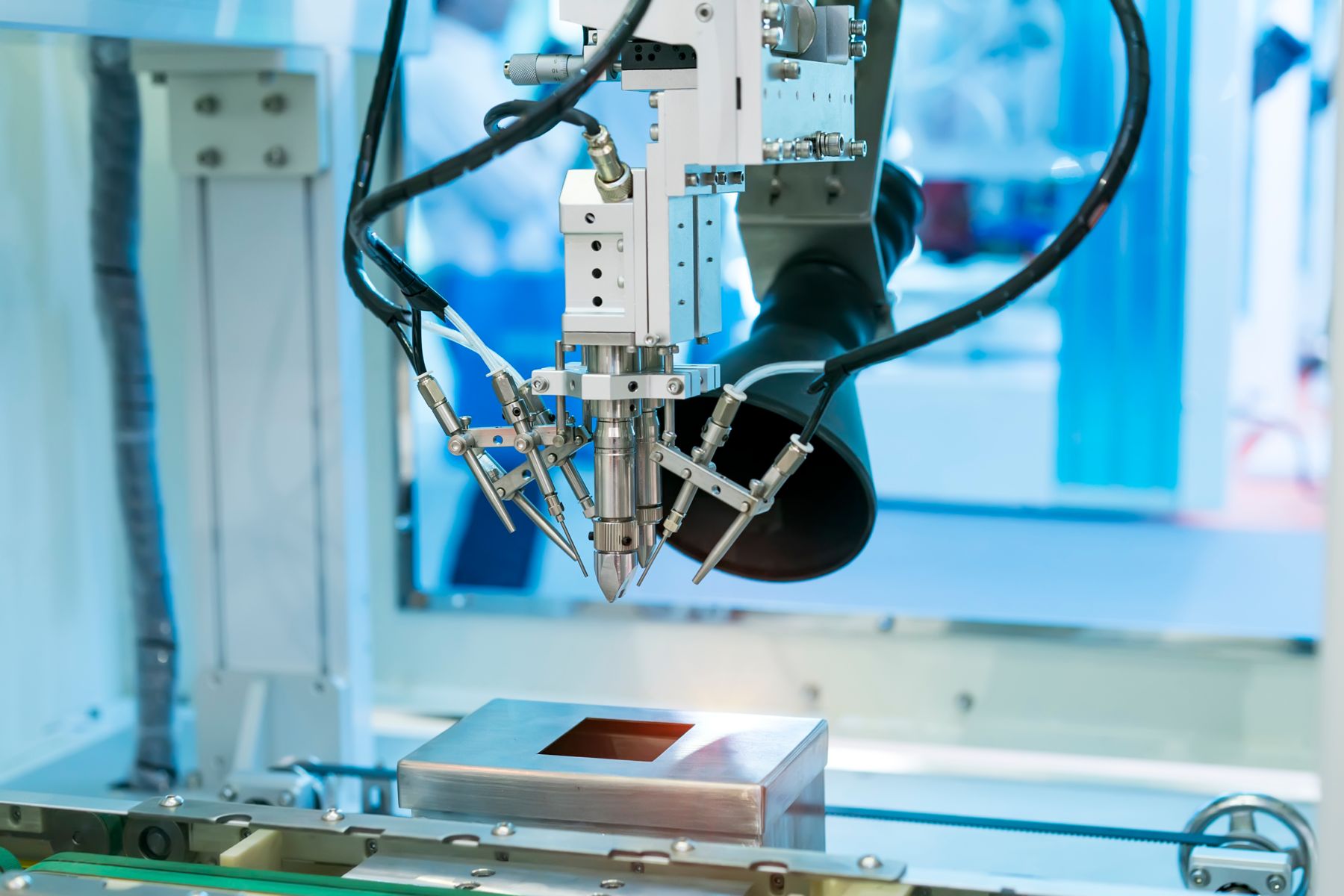 Embedded vision systems are used in many different ways across a wide range of industries and applications. One specific form of embedded vision application with enormous potential and far-reaching implications is embedded vision in robotics.
Historically, robots operated blindly. They relied exclusively on their pre-programming and the fact that the environment around them would be highly structured and unchanged. This may work well for simple, repetitive and high-volume tasks inside a factory setting where conditions won’t change much. But most automation applications require some degree of flexibility or even autonomy to complete their tasks effectively.
As automation has expanded beyond the factory setting, other forms of robots have emerged, including professional service robots and collaborative robots, in addition to industrial robots. Embedded vision systems are playing an important role in the evolution of robotics.
Applications of Embedded Vision Systems in Robotics
There are many different ways in which embedded vision is used in robotic applications, but there are a few that are more common than all others.
Automated Assembly
Embedded vision systems allow robots to identify and localize the objects they’re assembling, enabling greater accuracy and functionality in assembly operations. These vision systems also give robots far greater flexibility to deviate from their programmed instructions based on real world variables, reducing downtime while improving consistency. Embedded vision systems dramatically improve the capability and productivity of robotic assembly applications.
Certified System Integrator Program
Set Yourself at the Forefront of the Global Vision Market
.jpg) Vision system integrators certified by A3 are acknowledged globally throughout the industry as an elite group of accomplished, highly skilled and trusted professionals. You’ll be able to leverage your certification to enhance your competitiveness and expand your opportunities.
Vision system integrators certified by A3 are acknowledged globally throughout the industry as an elite group of accomplished, highly skilled and trusted professionals. You’ll be able to leverage your certification to enhance your competitiveness and expand your opportunities.
Robotic Inspection
Traditional machine vision systems would be stationary camera systems placed strategically near assembly lines. Embedded vision systems in robotics can be used to perform more dynamic inspections – the robot gives the inspection system greater mobility to inspect a part for more accurate results. In some cases, quality inspection can be completed without interrupting production at all.
Robotic Safety
Embedded vision can improve robotic safety in many different ways. Industrial robots are surrounded by several layers of safety equipment and protocols. One of these safety barriers is often an embedded vision system that shuts down operations when the presence of a human worker is detected within a pre-defined area. Similarly, newer forms of collaborative robots may deploy embedded vision systems that sense the presence of human workers and slow down operations to a safe speed, or shut down entirely until the worker has left, and then resume normal operations. Embedded vision enhances robotic safety for all.
Robotic Navigation
Embedded vision systems also give new forms of robots the ability to navigate on pre-programmed paths or even autonomously. Professional service robots, such as logistics robots for transporting goods or even mobile platforms with collaborative robot arms, can leverage these vision systems to operate in complex and highly unstructured environments, responding dynamically to real world obstacles.
Embedded vision systems have played a major role in the evolution of robotics and continue to enhance many different robotic applications. As embedded vision systems advance in capability, so too will robotic automation.
Recent Posts
- How 3D Vision Systems Are Transforming Food Manufacturing
- Autonomous Driving Technology: Dueling Approaches Fight for Control of the Wheel
- These Farms Are Harnessing Machine Vision for Smarter Agriculture
- Revealing the Hidden Effects of Climate Change with Advanced Imaging
- How Vision Systems Are Transforming Predictive Neurodiagnostics
- Innovative Machine Vision Lenses and Trends
- View All Vision & Imaging Blogs