
Motion Control & Motors Blog
Motion Control and Industry 4.0
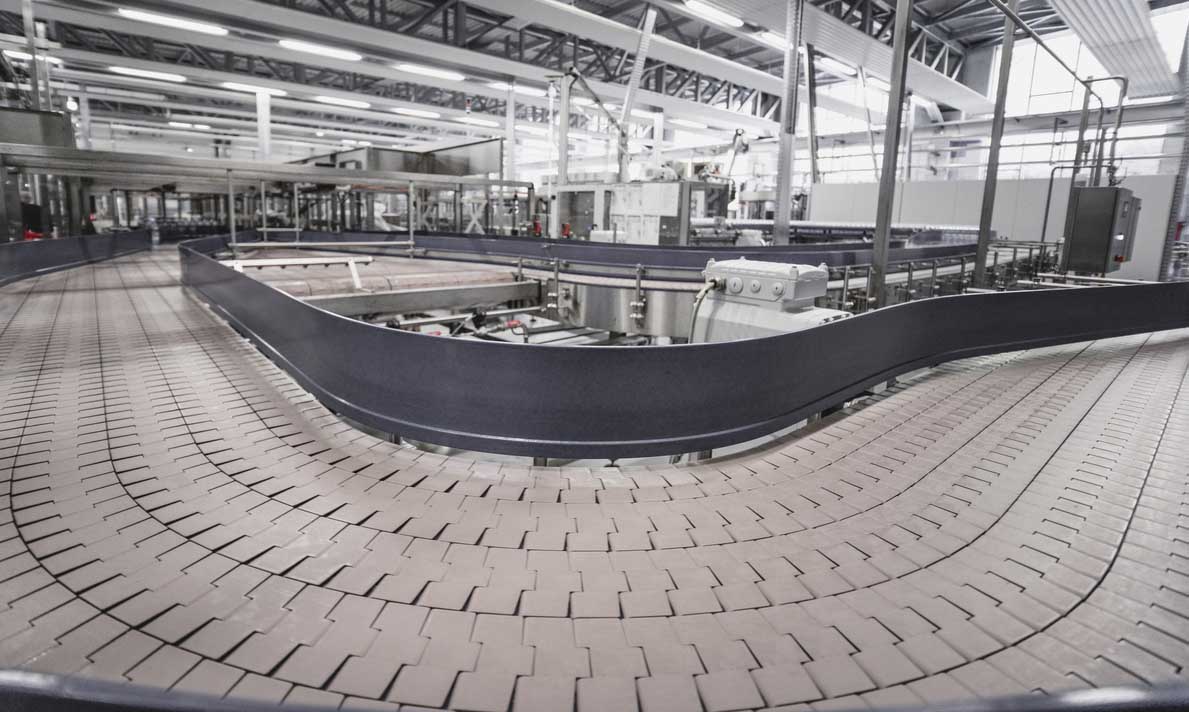 As the IIoT (Industrial Internet of Things) and cloud-based computing rapidly revolutionize our world, they are especially poised to improve motion control capabilities and manufacturing processes overall. During the final decades of the 20th century, Industry 3.0 saw circuit boards able to automate production lines. However, communication to assembly line components such as motion controllers and servo drives was largely top-down and uni-directional. Industry 4.0, which is happening right now, facilitates multi-directional communications – from machine-to-machine, machine-to-human and human-to-machine. This increased connectedness offers many benefits.
Remote Diagnostics
Just as modern cars are able to provide drivers with key information such as tire pressure, lane departure warning, and low fuel warning, modern motion control components can provide data and diagnostics information to their control systems. This advancement allows for planned maintenance and even automated service part procurement. It’s entirely possible that factories will no longer need to have onsite parts inventories because IIoT-enabled controllers will allow for much more tightly planned equipment life-cycles.
Automated Efficiency
When many IIoT-enabled motion control devices are able to communicate, efficiency can increase very quickly. Control software can adjust the throughput speed of groups of controllers to accommodate any short-term inefficiencies on a production line.
Certified Motion Control Professional Program
Strengthen Your Skills and Enhance Your Career
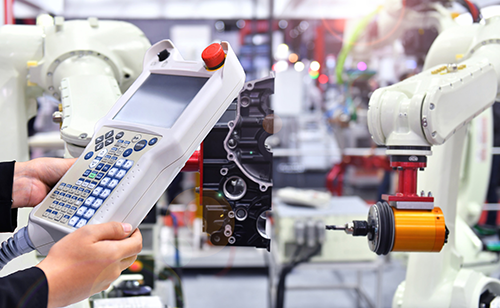
Become a Certified Motion Control Professional (CMCP) and join the elite group of system integrators, machine builders, manufacturers, end-users and others recognized in the industry for their professional knowledge and expertise.
Enhanced Accuracy
Many industries require very high accuracy and traceability in their manufacturing processes. The connectivity of modern motion controllers and servo drives allows for monitoring and control of individual parts as they make their way down an assembly line. Real-time measurement of servo torque and current draw means that there is no longer a “one size fits all” manufacturing method. Each manufactured part can now have individualized attention as it gets built. An additional benefit is the log of data provided by these modern motion control devices. For any flaw reported by a customer, manufacturers now have the ability to delve into detailed sets of historical manufacturing data to determine a root cause and fix it.
Modularity
Modern motion controllers are built to be easily reconfigured. In today’s age of lean manufacturing, this is beneficial because it allows line components to be easily transitioned to new production applications. Historically, controllers were heavily programmed to perform one task - and one task only. Now, using modular pre-programming, all it takes to repurpose a controller is a quick adjustment of its parameters.
Manufacturers are always looking for ways to reduce costs, become more efficient, and increase output. IIoT-enabled motion controllers allow for enhanced communications through connected manufacturing, with data-driven decisions facilitating faster improvements.
Share This On X:
#Industry4.0, which is happening right now, facilitates multi-directional communications – from machine-to-machine, machine-to-human and human-to-machine. This increased connectedness offers many benefits.
#Industry4.0 offers many benefits for any manufacturers that are willing to join the revolution! #motioncontrol
Recent Posts
- Emerging Technologies Driving Modern Motion Control Systems: Five Trends Reshaping Factory Automation
- Electronic Camming: Enabling Superior Flexibility in Advanced Motion Control Systems
- Electronic Camming: Enabling Superior Flexibility in Advanced Motion Control Systems
- How Electrification is Reshaping Motion Control
- Motion Control in Harsh Environments: Engineering for Extremes
- Next-Generation Motion Control: Integrating IIoT and Real-Time Data Analytics
- View All Motion Control & Motors Blogs