
Motion Control & Motors Blog
LDOs vs SMPS Power Supplies for Industrial Automation Equipment
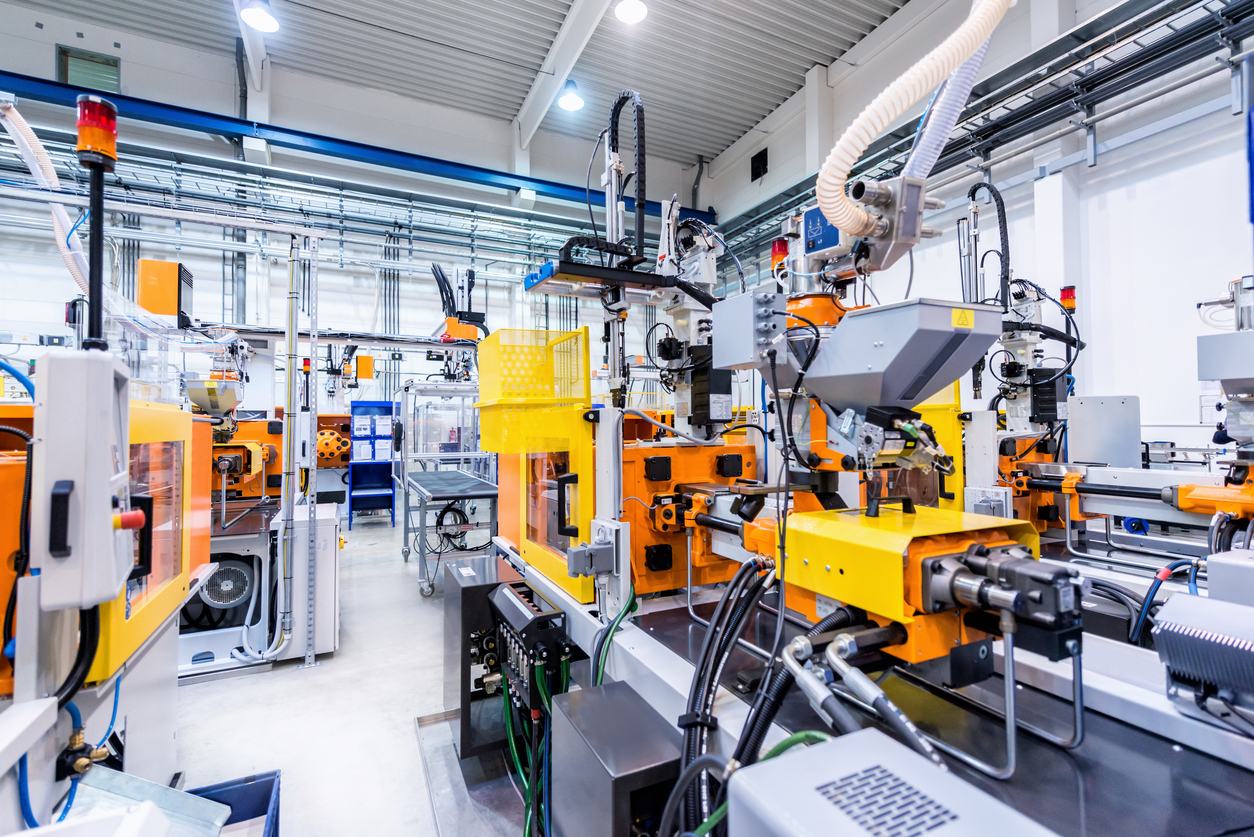 When designing a motion control system with a microcontroller unit (MCU), it can be difficult to understand what type of power supply will suit your application. Sometimes, engineers overlook the importance of the automation power supply, and are left with a solution that doesn’t quite perform the way they intended.
So how do you know which power supply you need? There are two main types of power supplies, each with their own advantages and disadvantages.
The Difference Between LDOs and SMPS Power Supplies
Switch-mode power supplies (SMPS) are the most popular power supply today because of their high efficiency. The defining feature of SMPSs is that they store energy in a capacitor or inductor, and repetitively switches its transistor on and off – this comes with its own pros and cons, which will be discussed momentarily.
A low-dropout linear regulator (LDO), in contrast to the SMPS, does not have an inductor or capacitator. It drops excess input voltage across a pass transistor, operated in the active region, to create a power supply with very simple regulation.
Pros and Cons of LDO and SMPS Power Supplies
LDOs are simple to regulate, create very little noise and requires no inductor for operation. They also produce a highly accurate output voltage, making them an attractive choice in many aspects. On the other hand, the use of a pass transistor creates excessive heat, leading to reliability issues and low efficiency levels. LDOs are most often used in low-power applications where these drawbacks are minimized by the nature of the application.
Certified Motion Control Professional Program
Strengthen Your Skills and Enhance Your Career
Become a Certified Motion Control Professional (CMCP) and join the elite group of system integrators, machine builders, manufacturers, end-users and others recognized in the industry for their professional knowledge and expertise.
SMPSs main benefit, as mentioned, is their extremely high efficiency and low heat levels. SMPSs typically have efficiency levels above 80%. The main drawbacks are the complexity involved in regulation, the cost to build an SMPS system, and the fact that SMPSs can create high levels of noise and ripple, which decreases the accuracy of output voltage. SMPSs are usually used in high power applications.
Both power supplies have their advantages and disadvantages. The automation power supply plays a big role in the overall operations of the system, so it’s important to choose the one that’s best for your application. Knowing both can help you choose the right one for your automation system.
Recent Posts
- Emerging Technologies Driving Modern Motion Control Systems: Five Trends Reshaping Factory Automation
- Electronic Camming: Enabling Superior Flexibility in Advanced Motion Control Systems
- Electronic Camming: Enabling Superior Flexibility in Advanced Motion Control Systems
- How Electrification is Reshaping Motion Control
- Motion Control in Harsh Environments: Engineering for Extremes
- Next-Generation Motion Control: Integrating IIoT and Real-Time Data Analytics
- View All Motion Control & Motors Blogs