
Motion Control & Motors Blog
4 Types of DC Motors: An Introduction
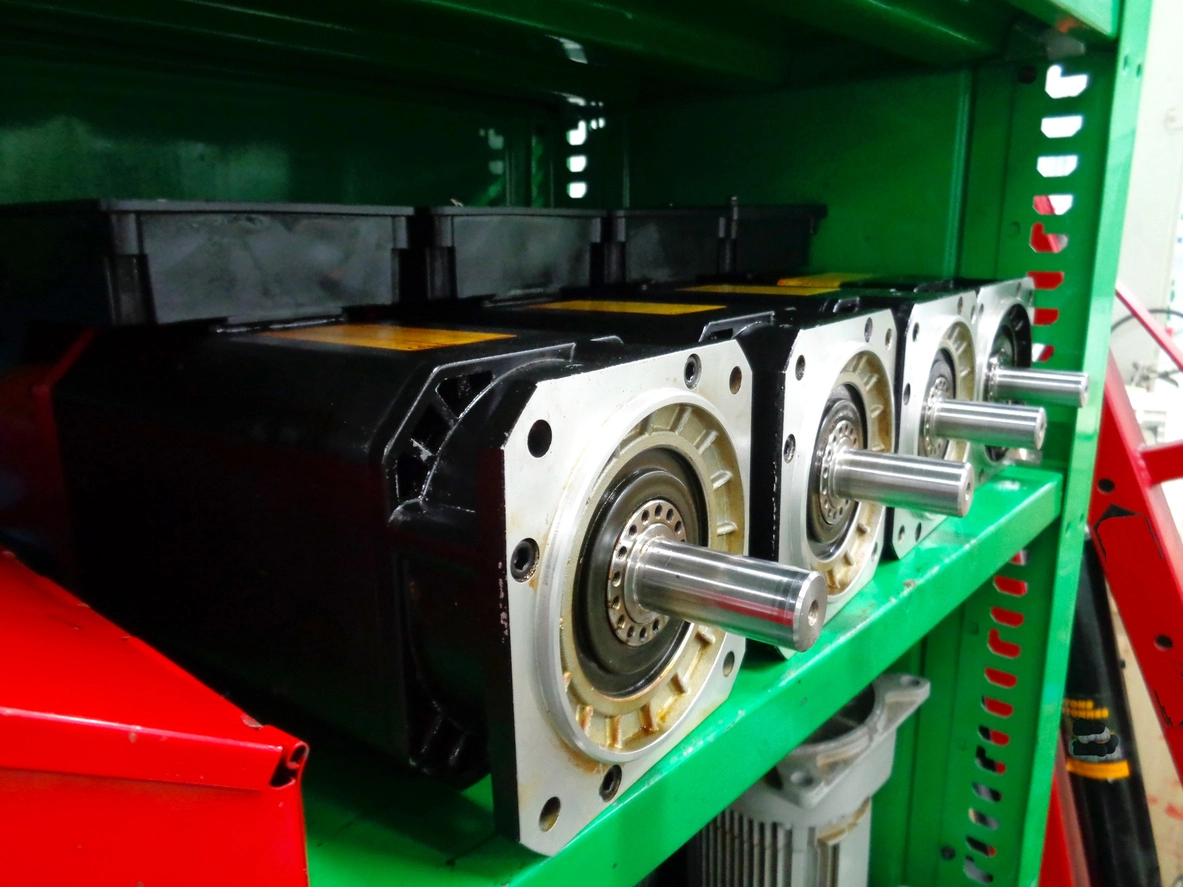 In today’s industrial sector, direct current (DC) motors are everywhere. From robotics to automobiles, small and medium sized motoring applications often feature DC motors for their wide range of functionality.
Because DC motors are deployed in such a wide variety of applications, there are different types of DC motors suited to different tasks across the industrial sector.
Main Types of DC Motors
Understanding the different types of DC motors will also help you understand how they’re used for different applications, and which type may apply to your application.
There are 4 main types of DC motors:
1. Permanent Magnet DC Motors
The permanent magnet motor uses a permanent magnet to create field flux. This type of DC motor provides great starting torque and has good speed regulation, but torque is limited so they are typically found on low horsepower applications.
2. Series DC Motors
Certified Motion Control Professional Program
Strengthen Your Skills and Enhance Your Career
Become a Certified Motion Control Professional (CMCP) and join the elite group of system integrators, machine builders, manufacturers, end-users and others recognized in the industry for their professional knowledge and expertise.
In a series DC motor, the field is wound with a few turns of a large wire carrying the full armature current. Typically, series DC motors create a large amount of starting torque, but cannot regulate speed and can even be damaged by running with no load. These limitations mean that they are not a good option for variable speed drive applications.
3. Shunt DC Motors
In shunt DC motors the field is connected in parallel (shunt) with the armature windings. These motors offer great speed regulation due to the fact that the shunt field can be excited separately from the armature windings, which also offers simplified reversing controls.
4. Compound DC Motors
Compound DC motors, like shunt DC motors, have a separately excited shunt field. Compound DC motors have good starting torque but may experience control problems in variable speed drive applications.
Between the 4 types of DC motors, the potential applications are numerous. Each type of DC motor has its strengths and weaknesses. Understanding these can help you understand which types may be good for your application.
Recent Posts
- Emerging Technologies Driving Modern Motion Control Systems: Five Trends Reshaping Factory Automation
- Electronic Camming: Enabling Superior Flexibility in Advanced Motion Control Systems
- Electronic Camming: Enabling Superior Flexibility in Advanced Motion Control Systems
- How Electrification is Reshaping Motion Control
- Motion Control in Harsh Environments: Engineering for Extremes
- Next-Generation Motion Control: Integrating IIoT and Real-Time Data Analytics
- View All Motion Control & Motors Blogs