
Vision & Imaging Blog
Machine Vision in Factory Automation
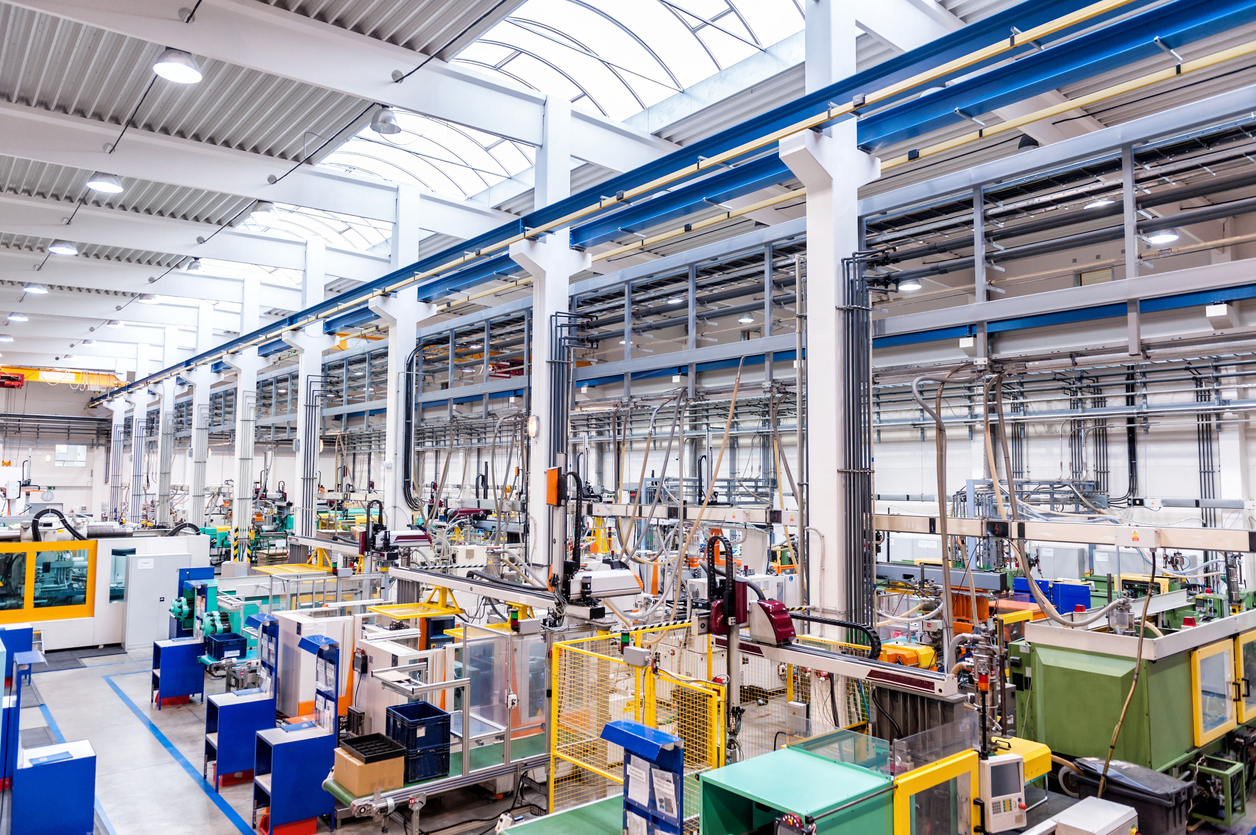 Perhaps no other area of the economy has benefited as much from automation as the industrial sector. However, getting a complete, machine vision-driven automation system into a workplace is a long and challenging prospect. Many processes must be undertaken before the system reaches its final destination and be integrated into operations there.
Let’s walk through the process and how machine vision influences it.
Requirements Gathering
Gathering requirements is a key point in the development of any technical system. At this stage, leading stakeholders from throughout the process must work together, defining the capabilities and operating constraints. For machine vision, the environment and inputs must be well understood.
For example, the size of the image sensor depends to a large extent upon the size of the items that must be imaged and processed. The lens and any special filters or other capabilities it may need will, in turn, depend greatly on the environment’s lighting conditions and speed of action. Failure to anticipate performance needs early can render a system an expensive failure.
Building the Machine Vision System
No matter what specific requirements must be met, all machine vision systems have certain basic characteristics. They all:
- Position the camera or object so the object can be effectively imaged;
- Capture the image and pertinent distinctive qualities using a camera;
- Process acquired images, including any necessary image correction;
- Take action based on the results of the image processing;
- Send key data to other factory systems and to personnel.
The key elements, thus, include a delivery vector, the vision system itself, the response system, and the web of sensors that tie all these elements together. One of the key engineering challenges in any system is determining how to physically move and position items to be inspected.
ROI Calculator

Discover the potential cost savings of robotic automation over a 20-year system life
This calculator compares your current manual labor costs against the total cost of owning and operating a robotic system over its 20-year lifespan.
Factory Integration
A system must be designed so factory personnel whose expertise is outside machine vision can integrate it into their operations. A third-party integrator is typically central to the process. To maintain efficiency and reduce cost, the system must have a clear and bounded task that can always be performed by applying the same operational heuristics.
However, this is not always the approach taken in machine vision integration. In some cases, systems are designed to be very flexible and extensible. For example, they might have a number of communication and processing interfaces far beyond the needs of the original specification. This results in greater upfront investment, but aligns the system with future needs and growth.
No matter what approach is taken, image quality is the key to success in industrial machine vision. The interplay of camera, optics, and lighting directly determines whether the system will meet its designers’ goals. Machine vision expertise must be applied at every step.
Recent Posts
- How 3D Vision Systems Are Transforming Food Manufacturing
- Autonomous Driving Technology: Dueling Approaches Fight for Control of the Wheel
- These Farms Are Harnessing Machine Vision for Smarter Agriculture
- Revealing the Hidden Effects of Climate Change with Advanced Imaging
- How Vision Systems Are Transforming Predictive Neurodiagnostics
- Innovative Machine Vision Lenses and Trends
- View All Vision & Imaging Blogs