
Vision & Imaging Blog
Cameras Becoming Instrumental in Successful Surgeries
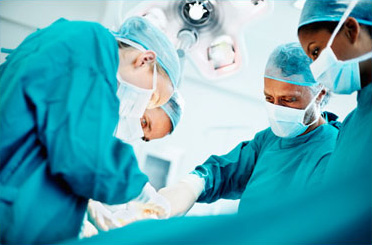 Quality cameras are now an important part of many surgeries. Doctors need quality vision systems when they are operating on patients using both laparoscopy and robotic surgery. In fact, studies have found that the quality and ability of the camera in a robotic surgery system often determines what types of surgery it is able to perform.
How Are Cameras Used in Surgery?
Traditional surgery requires an incision that allows the surgeon to see into the body of the patient, which they then operate through using their hands. Conversely, robotic and laparoscopic surgeries are "minimally invasive" surgeries using small incisions to insert a camera and the operating equipment or robot. The camera becomes the doctor's eyes. With laparoscopic surgery, the doctor uses instruments controlled by their hands, and guided by the camera. In robotic surgery, the doctor uses a computer controller to operate a robot during the operation. Most robotic surgery is done with the doctor looking at a console which shows a feed from a high-definition camera that has a magnified, often 3-D view of the surgical site. Factors such as whether the camera can see in 3-D, and how well it can change from close range to wide view can be crucial to making it easier for doctors to perform the surgeries quickly and easily.
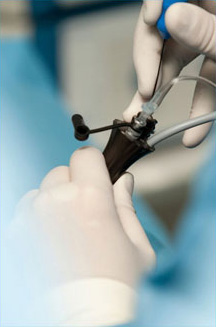 Laparoscopic surgery
In laparoscopy, small incisions are placed in the abdomen, the abdominal wall is extended with carbon dioxide, and a camera on a flexible tube is inserted to view the area. Laparoscopy is often employed for taking biopsy samples and minor surgical corrections. Laparoscopic surgery uses instruments inside the abdomen, sometimes aided by the doctor's hands, to perform surgical procedures. Typical laparoscopic procedures are hernia repair, gastric bypass, appendectomy, and bowel resection.
Robotic Surgery
A variety of robotic systems are now available for surgeons, some of which have been developed with particular types of surgery in mind. The advantage of robotic surgery is that once a doctor is trained, these surgeries are easier to perform than either traditional or laparoscopic surgery. In addition, the cameras used by robotic systems are better and allow the surgeon a clearer view of the operation. Robotic surgery has been used for a variety of surgeries, including:
ROI Calculator

Discover the potential cost savings of robotic automation over a 20-year system life
This calculator compares your current manual labor costs against the total cost of owning and operating a robotic system over its 20-year lifespan.
- Cardiology: Commonly accepted robotic procedures are coronary artery bypass, mitral valve repair and atrial septal defect repair.
- Gynecology: Robots have been used for hysterectomy, tubal ligation, fibroid removal, myomectomies and lymph node biopsies.
- Transplant Surgery: Liver donation transplantation, kidney removal, and other transplants.
- Gastrointestinal Surgery: Obese patients can sometimes be more easily operated on by robots. Examples of such operations are bariatric surgery, pancreatic surgery, and gastrectomy for cancers.
- Colon and Rectal Surgery: Robotic procedures have been used in dissections for diverticulitis and non-resection rectopexy (which treats rectal prolapse).
- Orthopedic Surgery: Partial and total hip and knee replacements and ACL surgery have been done using robotics.
What is the Advantage of Using Camera-aided Surgery?
Minimally invasive surgeries done with camera-aided systems can reduce hospital stays and recovery time for patients. Smaller incisions mean fewer infections. In robotic surgeries, the difficult physical work of surgery is done partly by robots, making the job easier and more comfortable for the doctor. In addition, the computer is able to correct for any wavering in the doctor's hands due to fatigue, which can make surgeries more accurate. While camera-aided surgeries can have significantly higher costs for equipment and doctor training, these disadvantages can be balanced by shorter hospital stays and better patient outcomes.
Recent Posts
- How 3D Vision Systems Are Transforming Food Manufacturing
- Autonomous Driving Technology: Dueling Approaches Fight for Control of the Wheel
- These Farms Are Harnessing Machine Vision for Smarter Agriculture
- Revealing the Hidden Effects of Climate Change with Advanced Imaging
- Innovative Machine Vision Lenses and Trends
- An Early Look at GigE Vision 3.0
- View All Vision & Imaging Blogs