
Robotics Blog
Construction Robotics Trends to Leverage In 2019
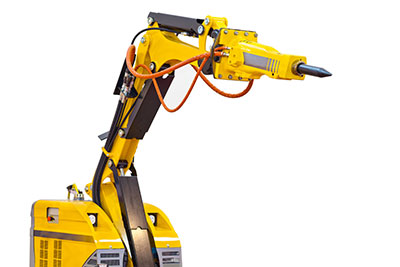 The construction industry seems to be the model for manual work. Human power has fueled construction since the first human-built shelter, but the labor shortage is hitting construction hard. Hundreds of thousands of construction jobs are left unfilled.
The industry is looking for ways to generate growth. Robotics are expected to give the industry a boost. Here are some robotics trends being leveraged in 2019 so far:
Robots Now Working on Job Sites
To solve labor shortages, construction companies need to find innovative ways to improve speed, efficiency, and safety. Robots can be used for demolition, site prep, and to build roads. Portable, mechanical arms can automate highly-repetitive and labor-intensive tasks like tying rebar.
On some job sites, you can even see robots installing drywall, welding, and laying bricks. One bricklaying robot can put down up to 350 bricks per hour in a standard brick pattern or soldier courses. Workers simply feed bricks into the machine. The machine can lay out a design from CAD software with accuracy and precision.
The benefits of 3D printing a structure include a reduction in typical job site accidents and an increase in productivity. Robots equipped with 3D printers also use fewer resources than traditional supplies and building methods, in addition to an elimination of waste while still constructing large, structurally-safe buildings.
Robots have also been designed to help with assembling timber frame buildings. On sites where molds are needed, robots use hot-wire cutting to create molds at a higher degree of accuracy.
ROI Calculator

Discover the potential cost savings of robotic automation over a 20-year system life
This calculator compares your current manual labor costs against the total cost of owning and operating a robotic system over its 20-year lifespan.
Cobots Assist Human Workers
Construction isn’t just about constructing utilitarian buildings, bridges, and other structures. Craftsmanship adds an extra layer of value to construction projects. A hybrid collaborative robot (cobot) option has been developed to maintain high standards of craftsmanship.
Cobots work alongside humans to improve tasks that are considered busy work. Some of this “busy work” on a job site includes welding, material handling, packing, and cutting tasks. Humans can be trained to perform more skilled activities and skilled laborers can spend even more time doing what they enjoy.
Demolition robots can be put in situations that may be hazardous for humans. Robots can be built to withstand the breaking down of walls, crushing concrete, and gathering dangerous debris. This not only results in greater productivity, but creates a safer work environment for humans.
Autonomous Vehicles on Construction Sites
Autonomous vehicles are constantly discussed in the media for consumer use,but they are finding their way to the construction site as well. Autonomous bulldozers move materials without an operator and semi-autonomous excavators are learning the movements required for grading and highly-accurate leveling.
Autonomous rovers now roam construction sites performing inspections. On their way, they can deliver tools and materials to different parts of the job site. UAVs (unmanned aerial vehicles) are also becoming more common on construction projects. UAVs are used to survey vast areas of land in just a few minutes.
Recent Posts
- 6 Companies Driving Automation in Mexico
- Humanoids on the Horizon: What Hurdles Remain for Widespread Adoption?
- Safety by Design: How Humanoid Robots Must Evolve to Depart the Walled Garden
- Are Robots Really Taking All the Manufacturing Jobs?
- The Shipping Industry Floats Emerging Opportunities for Maritime Automation
- New to Robotics? Start with These Fundamentals
- View All Robotics Blogs