
Blog
Robotic Cable Management Best Practices
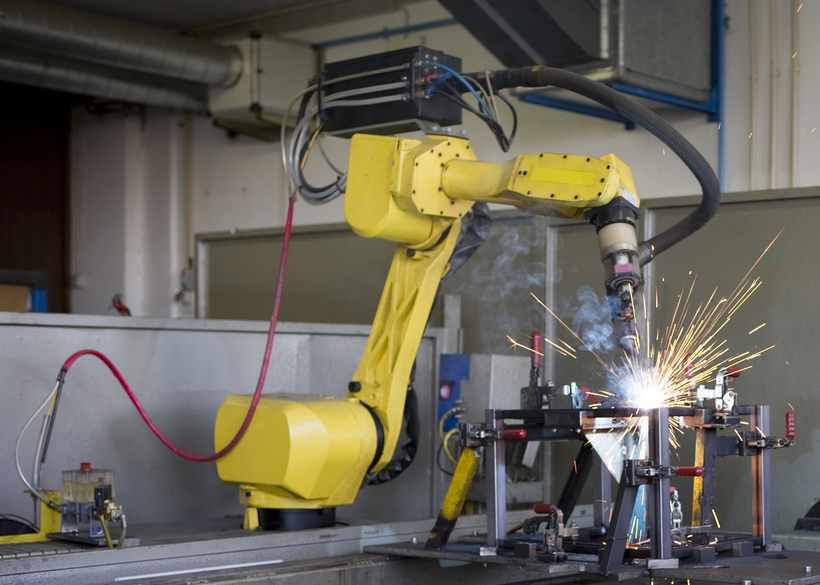 Robotic cable management, particularly for robotic welding, is a fundamental part of robotic efficiency, but it’s often overlooked or saved for the last part of the design process. When it comes to typical six-axis robots, there are several special considerations that need to take place to ensure proper robotic cable management.
But why is robotic cable management important? How can you ensure you choose the best robotic cable management solution?
The Importance of Robotic Cable Management
Poor management of robotic cables can lead to a number of problems. The most obvious and most severe problem is when a poorly designed cable system restricts the motion of a robotic arm. Robots are becoming more and more flexible and cable design needs to take this into account by preparing cables for the entire range of motion of the robot, not just application specific motions. Otherwise, you may end up with a cable that restricts the motion, and thus the flexibility and efficiency, of the robotic arm.
Tightly binding cables with excessive dress packs or cable ties also creates problems like corkscrewing. Any stress on robotic cables accelerates their lifetime and increases the chance of failure, which leads to unproductive and unscheduled downtime.
Best Practices in Robotic Cable Management
There are a number of things you can do to optimize robotic cable management. One of the most important ones is to consider six-axis robots in three different segments: the sixth axis to the third axis, the third axis to the second axis, and the second axis to the first axis. This allows maximum control over cable design and can reduce the amount of cable management equipment needed.
ROI Calculator

Discover the potential cost savings of robotic automation over a 20-year system life
This calculator compares your current manual labor costs against the total cost of owning and operating a robotic system over its 20-year lifespan.
A robotic cable carrier system can also be of great use for robotic cable management. Robotic cable carriers have spring-loaded designs to minimize catch and pinch points. Once cables exceed their service life, which all cables eventually do, you can replace them without dismantling the entire system, as opposed to fully enclosed dress packs.
For good robotic cable management, you’ll also want to make sure all cables are in one continuous path with no pinching or loose cables around any of the axes. It’s also helpful to have the option to fully enclose cables to protect them from harsh environments, although permanently enclosed systems have their drawbacks.
Proper robotic cable management can be achieved many different ways, depending on the needs of your specific application. However, the few tips mentioned above are some of the best ways to ensure your robotic cables aren’t hindering robotic performance.
Robotic cable management is especially important in robotic welding applications where robotic efficiency and ROI is found through excellent uptime.
Recent Posts
- Creating a Safety Culture in Your Organization at the International Robot Safety Conference
- 6 Companies Driving Automation in Mexico
- Humanoids on the Horizon: What Hurdles Remain for Widespread Adoption?
- Safety by Design: How Humanoid Robots Must Evolve to Depart the Walled Garden
- Are Robots Really Taking All the Manufacturing Jobs?
- The Shipping Industry Floats Emerging Opportunities for Maritime Automation
- View All Blogs