
Blog
Looking Closer at the Impact of Robots on Labor and Employment
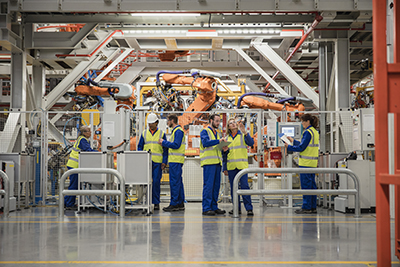 Wondering why you’re not hearing “The robots took our jobs!” as many predicted would happen over a decade ago? The economic growth of the last 10 years has made it difficult to figure out the impact of robots on labor. The booming economy has created jobs outside of those replaced by automation. Displaced workers found new jobs. But will it last?
Robots Don’t Replace All Human Workers
One thing is certain when it comes to robots. Robotic automation is growing, especially in the Midwest United States where they rely heavily on manufacturing. The sharp growth of automation in those manufacturing states far exceeds the rest of America. And states in the Midwest without strong unions are seeing even more robots deployed.
However, since not all states rely heavily on manufacturing, it can be difficult to figure out whether automation has made a significant impact on the labor market. Additionally, not all workers are affected in the same way by robots. Good news: Technical and engineering jobs typically see increases. Not-so-bad news: Dull, dirty, and dangerous jobs are automated.
Many studies often show that the impact of robots on labor markets as a whole is very minor. The jobs that robots fill include repetitive tasks like assembly, packaging, and rapid painting and welding. Needless to say, those are not the most desirable positions. But robots don’t replace positions that require critical thinking and collaboration which are often more rewarding.
ROI Calculator

Discover the potential cost savings of robotic automation over a 20-year system life
This calculator compares your current manual labor costs against the total cost of owning and operating a robotic system over its 20-year lifespan.
Growth Might Mask the Impact of Robots on Labor
When automation is deployed in a down economy, less-educated workers must often seek out lower-paying positions in markets like retail, hospitality, and leisure. And since the demand in those markets decreases in a stagnant or shrinking economy, those jobs can be hard to find. In that case, it’s much easier to recognize that a worker lost a job due to automation.
But the current economy is driving more demand for goods. It’s creating new markets. And that’s resulting in higher wages. Workers replaced by robots may not have to collect unemployment, may see increases in pay, and may get what many would consider a better job in those retail, hospitality, and leisure positions.
Thanks to the recent boom, it’s even possible that this period of economic expansion could help workers land better jobs even if the economy takes a downturn. Many workers will use this opportunity to participate in education and training programs that allow them to transfer to other careers. They may even learn to service the robots that took their old jobs.
Recent Posts
- Creating a Safety Culture in Your Organization at the International Robot Safety Conference
- 6 Companies Driving Automation in Mexico
- Humanoids on the Horizon: What Hurdles Remain for Widespread Adoption?
- Safety by Design: How Humanoid Robots Must Evolve to Depart the Walled Garden
- Are Robots Really Taking All the Manufacturing Jobs?
- The Shipping Industry Floats Emerging Opportunities for Maritime Automation
- View All Blogs