
Blog
Embedded Vision Overcomes Development Challenges in Life Sciences and Medical Industries
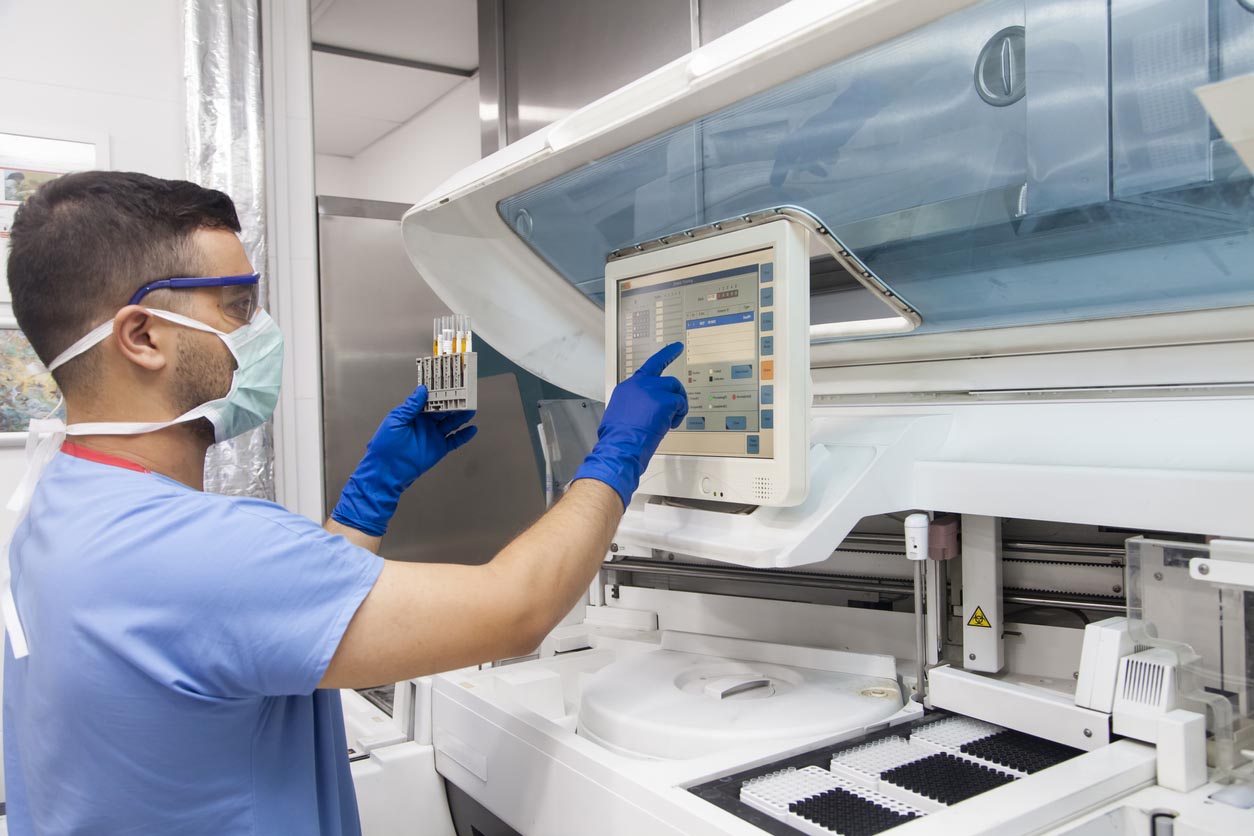 The medical industry is a key market for the growth of embedded vision technology – it’s growing quickly, and innovative new players are adopting the latest technology at a rapid rate. An aging population and skyrocketing demand for services only promotes further growth in the medical industry, making it the ideal marketplace for radical new embedded vision products.
There have been dilemmas in the development of new embedded vision-based medical and life science products, however, mainly surrounding the cost and level of customization required in a new product.
The Challenges in the Development of Medical Devices with Embedded Vision
One of the primary challenges to developing new medical devices with embedded vision systems is balancing the production costs with the level of imaging optimization. Whether the end product is intended for one application or for mass market appeal makes a major difference in how integrators must approach the design of an embedded vision system.
For application-specific systems, for example, the cost of components doesn’t matter as much. But for other applications, particularly mass-market products with more limited power and space constraints, there are pressing considerations in terms of the costs and development time for miniaturization, embedded development, and debugging.
ROI Calculator

Discover the potential cost savings of robotic automation over a 20-year system life
This calculator compares your current manual labor costs against the total cost of owning and operating a robotic system over its 20-year lifespan.
Essentially, the difficulty in embedded vision systems development lies in managing tradeoffs in cost and performance. While this is a challenge for many, there are several examples of highly profitable and productive medical devices leveraging embedded vision.
New Medical Devices Leveraging Embedded Vision
One of the most successful applications of embedded vision in the medical field is occurring in microscopy, particularly for in-vitro fertilization. Ultra-high resolution embedded vision systems offer more accurate data on embryo growth, beyond what was previously available on the market, to help increase the chances of fertility.
Another embedded vision application gaining popularity in the medical industry is for portable blood analysis. With advanced vision and image processing technology, blood analysis can be performed with a handheld device, to a high degree of accuracy, outside of the hospital setting.
As the medical industry grows and investment in new technology increases, embedded vision will play an increasingly important role. Despite the hurdles integrators may face when developing new medical products, innovative new products are emerging all the time.
The medical industry is ripe for disruption. Ample opportunity awaits embedded vision integrators and suppliers who can balance cost and performance to create commercially viable products.
Share This On X:
There have been dilemmas in the development of new embedded #vision-based medical and #lifescience products, however, mainly surrounding the cost and level of customization required in a new product.
The medical industry is ripe for disruption. Ample #opportunity awaits embedded #vision integrators and suppliers who can balance cost and performance to create commercially viable products.
Recent Posts
- How 3D Vision Systems Are Transforming Food Manufacturing
- These Farms Are Harnessing Machine Vision for Smarter Agriculture
- Revealing the Hidden Effects of Climate Change with Advanced Imaging
- Innovative Machine Vision Lenses and Trends
- An Early Look at GigE Vision 3.0
- Looking at the Latest Machine Vision Standards Updates
- View All Blogs