Vision & Imaging Blog
What’s Driving the Growth of the Medical Cameras Market?
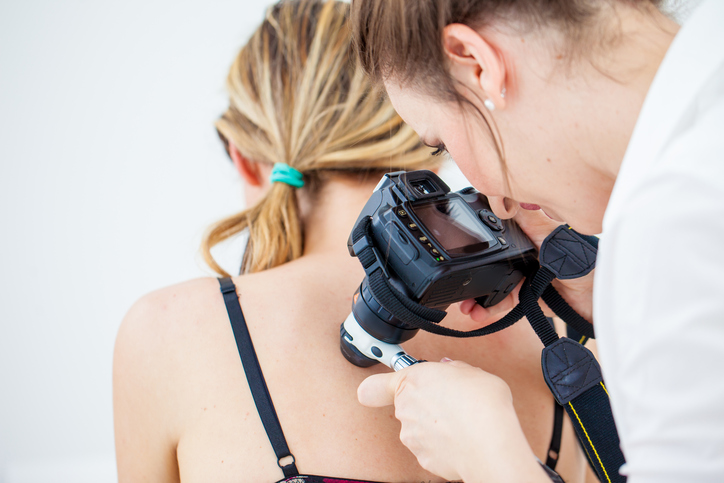 The market for medical cameras is expected to experience rapid growth in the near future, driven by a few key technological advances and market changes. A recent report estimates the global medical cameras market will be worth $18.06 billion by 20251.
Advanced machine vision cameras have become an important part of the medical field in a wide range of applications. They’ve proven indispensable in certain applications in the past, and adoption is expected to increase in the near future.
Driving Forces Behind Medical Camera Market Growth
Machine vision cameras are being used in a number of medical and life science applications, including microscopy, ophthalmology, pathology, endoscopy, lab automation, biomedical research, rheumatology, and other specialties.
There are two main forces at play that are driving the adoption of medical cameras. First, increasing performance benchmarks, due in part to private funding and investment in healthcare, are a major driver of medical camera adoption. Technological advances increasing the accuracy, reliability and acceptance of medical camera procedures is the other major driver of growth.
ROI Calculator

Discover the potential cost savings of robotic automation over a 20-year system life
This calculator compares your current manual labor costs against the total cost of owning and operating a robotic system over its 20-year lifespan.
Benefits of Medical Machine Vision Cameras
Along with broader market forces that drive adoption of medical cameras, the benefits they provide are also a major contributing factor. Most importantly, medical cameras offer increased and enhanced visualization for medical professionals. For example, an endoscope can provide visibility where a doctor would not be able to see.
Medical cameras can also automate tasks like inspecting slides of a patient’s cells for tumorous cells or for finding areas of concern, drastically reducing the amount of time the process takes and potentially increasing the accuracy of the results. Medical cameras also facilitate simpler, easier documentation and monitoring over time.
There are many benefits of using medical cameras. Typically, they augment a medical professional’s knowledge and skillset to make the diagnostic process quicker, easier and more accurate.
There are many reasons the market for medical cameras is expected to see serious growth in the near-term. Increasing performance benchmarks, technological advances and the practical advantages of medical cameras are some of the main reasons these vision systems are experiencing widespread adoption.
Recent Posts
- How 3D Vision Systems Are Transforming Food Manufacturing
- Autonomous Driving Technology: Dueling Approaches Fight for Control of the Wheel
- These Farms Are Harnessing Machine Vision for Smarter Agriculture
- Revealing the Hidden Effects of Climate Change with Advanced Imaging
- How Vision Systems Are Transforming Predictive Neurodiagnostics
- Innovative Machine Vision Lenses and Trends
- View All Vision & Imaging Blogs