
Vision & Imaging Blog
Vision Inspection Systems: What to Know Before Implementation
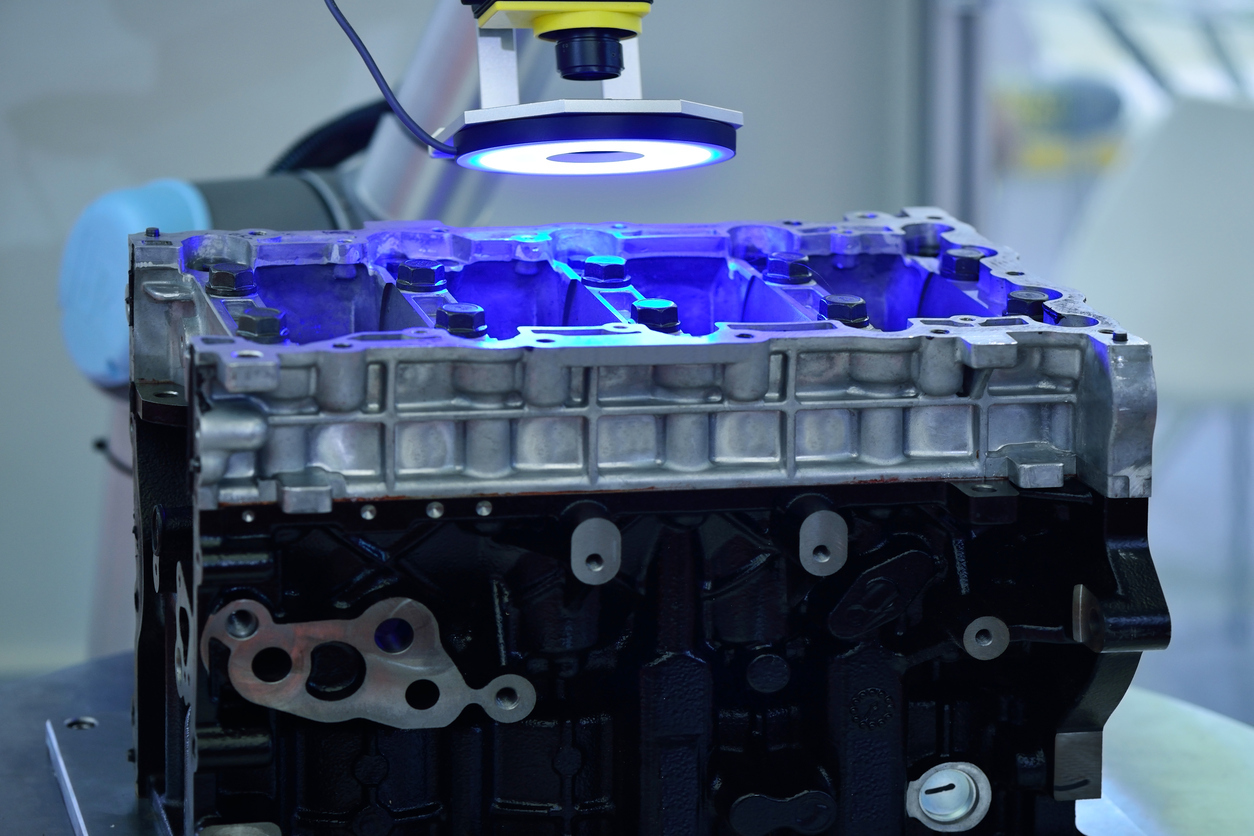 Vision inspection systems are popular mechanisms in the industrial sector because of their accuracy, repeatability and efficiency. They provide numerous advantages over human inspection of parts during production.
However, vision inspection systems are complicated systems with a lot of variables that affect equipment that needs to be implemented correctly in order to realize the long-term benefits.
So what do you need to know before implementation to realize the full benefits of vision inspection systems?
Know Your Equipment and Environment
Implementation of vision inspection systems will often involve integration with existing production equipment and processes, so it’s important to understand how your cameras will fit in with this equipment and the production environment.
Will the integration involve conveyors, product rejection mechanisms, pick and place robotics or rugged environmental factors like extreme heat or low light?
It may take mechanical engineering, robotics and programming experts to figure out exactly how your vision inspection system will fit into existing production environments.
Start to Narrow Down Cameras for Vision Inspection Systems
There are a lot of vision systems on the market that are suitable for a variety of inspection applications. Trying to narrow them down can seem like a daunting task, but to start, you can ask yourself a simple question: do we need a single sensor camera system (smart camera) or multiple sensor camera system (multi-camera vision system)?
ROI Calculator

Discover the potential cost savings of robotic automation over a 20-year system life
This calculator compares your current manual labor costs against the total cost of owning and operating a robotic system over its 20-year lifespan.
For production lines with fewer inspection points, where inspection data does not need heavy processing, smart cameras may be a wise choice, as they’re self-contained and easily programmed to perform a specific task.
On the other hand, production lines with dozens of inspection points, especially when centralized data on inspections could be useful, a multi-camera vision system would be most beneficial.
There are many other considerations to take into account, but starting with the question of single or multi sensor camera systems is a good start for narrowing down which type of vision system would be best for you.
There's a lot to understand about your application and the pros and cons of various vision inspection systems before implementation. Taking into account the tips above, you can increase your chances of successful implementation and see the full benefits of vision inspection systems for years to come.
Recent Posts
- How 3D Vision Systems Are Transforming Food Manufacturing
- Autonomous Driving Technology: Dueling Approaches Fight for Control of the Wheel
- These Farms Are Harnessing Machine Vision for Smarter Agriculture
- Revealing the Hidden Effects of Climate Change with Advanced Imaging
- How Vision Systems Are Transforming Predictive Neurodiagnostics
- Innovative Machine Vision Lenses and Trends
- View All Vision & Imaging Blogs