
Vision & Imaging Blog
How Drones Can Save Lives
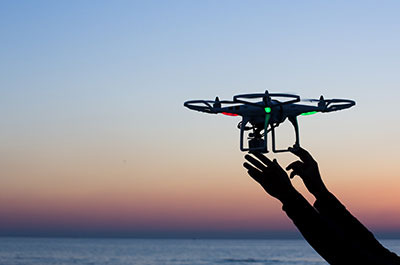 Drones already have a high profile. They’re popular with civilian hobbyists, make great platforms for aerial photography, and have been enthusiastically embraced by the military. What many people don’t realize, however, is this: Drones have amazing potential to support life-saving services and protect people when they’re at their most vulnerable.
No matter what their size, weight, or features, drones have the opportunity to go places humans can’t and survey areas much more quickly than humans. Those skills give them a wide leeway when it comes to dangerous situations such as weather disasters, fires, and other emergencies. Their equipment load-out can also be adjusted to fit the situation.
First responders and others are already finding great uses for today’s drones:
Search and Rescue
Even under the best circumstances, search and rescue operations are a race against time. It is often difficult for teams to continue an efficient search after nightfall, especially when hampered by rough terrain. As drones are increasingly outfitted with effective infrared imaging systems, they can function as semi-autonomous night vision cameras. Even far from civilization, these drones can extend search capabilities to locate and help people in need.
Traffic Management
Two new trends are combining to make traffic patterns more complex: The emergence of autonomous vehicles and the growing prevalence of bicycling in communities where it may not have been common previously. Drones have a wide range of uses in managing traffic flow and preventing accidents. They can spot emergencies in progress, update route-finding apps, and notify first responders even more quickly than drivers and pedestrians on-scene.
ROI Calculator
Discover the potential cost savings of robotic automation over a 20-year system life
This calculator compares your current manual labor costs against the total cost of owning and operating a robotic system over its 20-year lifespan.
 Medical Emergencies
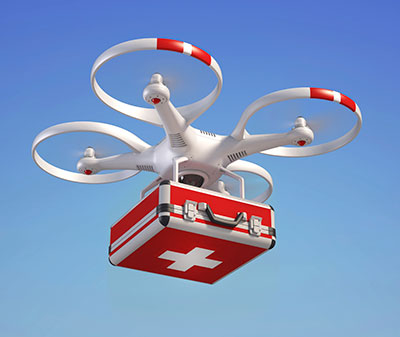
In any medical crisis, seconds can make a difference. Recently, drones have been outfitted with basic medical equipment that can help in an emergency, such as defibrillators. When a qualified individual is already on the scene, having basic first aid tools can help stabilize a victim while paramedics are in route. Around the world, drones are being designed that can deliver medication to communities in rough terrain far from urban areas.
Avalanche Warning
Every year, millions of people flock to ski resorts to enjoy the slopes – and, of course, many people live in their shadow all year long. Up until very recently, the conditions for an avalanche could build quietly for weeks or months, leaving disasters to strike without warning. Now, drones with advanced sensor equipment can carefully probe mountainsides to discover areas of weakness, prompting trail closings or controlled removal of dangerous snow build-up.
Future Drones Will Support Human Safety and Well-Being in Diverse Situations
Professionals and hobbyists alike have been fascinated by the amazing potential of the unmanned aerial vehicle. Early drones were remarkable for their speed, versatility, and ability to traverse rough terrain at low altitudes. With time, machine vision has enhanced them into great tools for monitoring the natural environment. Now, as both machine vision and sensor technology become more sophisticated, unique uses for drones are emerging every day, and they stand to make the world a better, safer place.
Recent Posts
- How 3D Vision Systems Are Transforming Food Manufacturing
- Autonomous Driving Technology: Dueling Approaches Fight for Control of the Wheel
- These Farms Are Harnessing Machine Vision for Smarter Agriculture
- Revealing the Hidden Effects of Climate Change with Advanced Imaging
- Innovative Machine Vision Lenses and Trends
- An Early Look at GigE Vision 3.0
- View All Vision & Imaging Blogs