
Blog
Embedded Vision Systems Enhance Eye Tracking for Better Virtual Reality
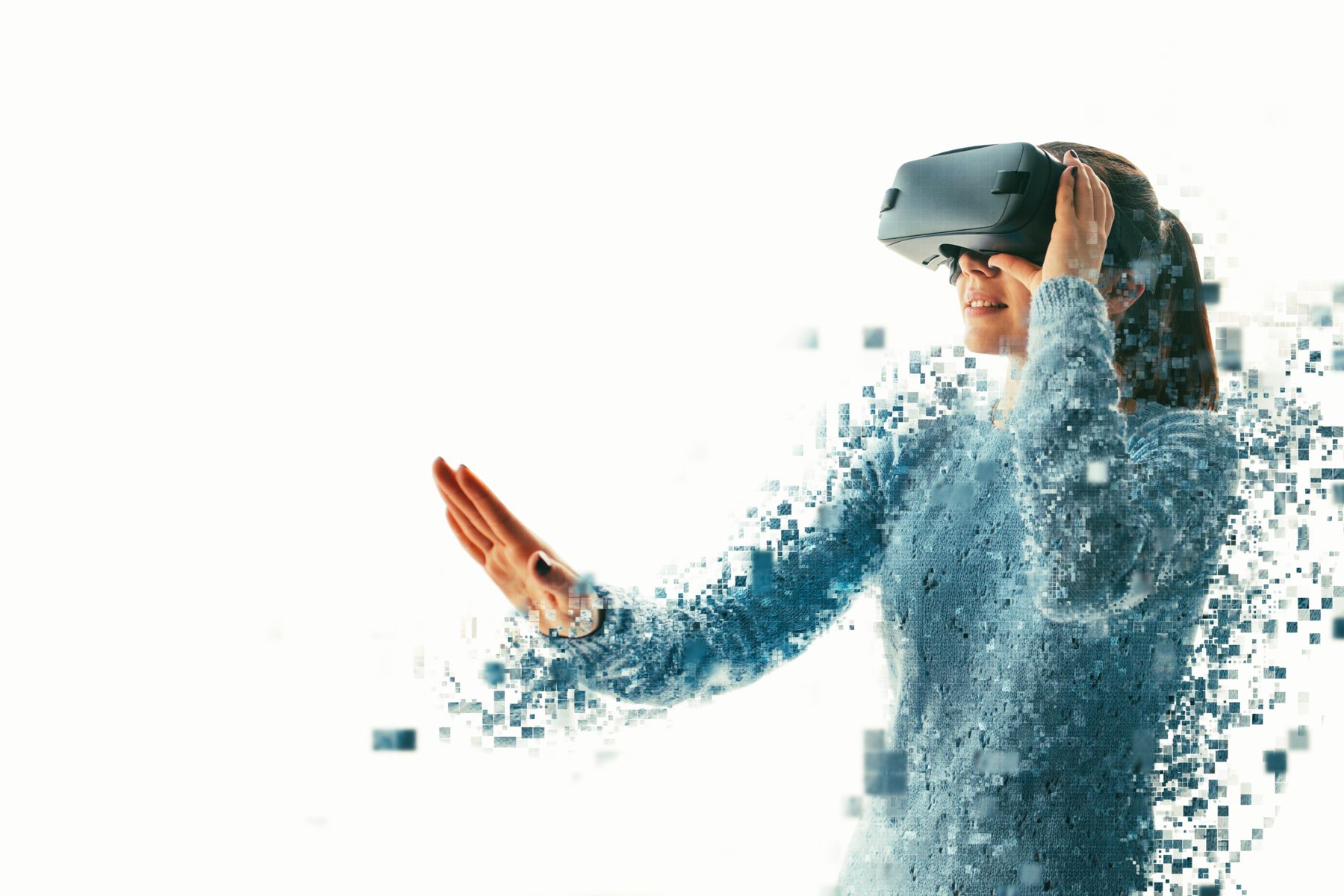 Embedded vision systems are constantly being put in new environments in new applications to enhance the capabilities of existing systems. Most recently, embedded vision systems are being used to tackle the complex process of tracking human eye movements and determining what has our attention.
Whether it’s how long the eye fixates on something, where the eye is looking, or what features attract the gaze of the eye, embedded vision systems are uniquely equipped to interpret the activity of the eye.
Embedded Vision Improves Virtual Reality
The most immediate application for improved eye tracking is virtual reality (VR). Fast image capture with synchronized cameras must be achieved in a very compact space. This is so that the VR user doesn’t detect a lag between where their eyes are moving and how the virtual environment around them is moving. This undermines the entire illusion of VR.
Embedded vision technology is fundamentally important in enabling foveated rendering – a digital display technique in which the point where the eyes are focused is sharpened and the rest is blurred, mimicking the way our natural eyesight works. Foveated rendering is important for VR, not only for accurate renderings, but because it reduces the load on the graphics processing unit (GPU), allowing for much higher quality displays and frame rates at lower costs and energy consumption.
ROI Calculator

Discover the potential cost savings of robotic automation over a 20-year system life
This calculator compares your current manual labor costs against the total cost of owning and operating a robotic system over its 20-year lifespan.
Embedded Vision Capabilities for Virtual Reality
Embedded visions systems today, despite their small size and streamlined design, are capable of achieving high frame rates for VR eye tracking. This is a critical performance parameter, as many frames need to be captured to accurately analyze the subtlety of human eye movements. This is a delicate application requiring high performance vision.
Further, image processing must occur at high speeds to analyze all of these frames and inform a VR system to respond to rapid eye movements in real time. Whether this is through the use of GPUs or FPGAs for processing, VR presents demanding requirements for processing that must be completed for accurate imaging.
VR is a cutting-edge application that demands the most advanced and innovative embedded vision systems. While VR has a long road to achieving its full potential, embedded vision systems are enabling improvements at every step of the way.
Recent Posts
- How 3D Vision Systems Are Transforming Food Manufacturing
- These Farms Are Harnessing Machine Vision for Smarter Agriculture
- Revealing the Hidden Effects of Climate Change with Advanced Imaging
- Innovative Machine Vision Lenses and Trends
- An Early Look at GigE Vision 3.0
- Looking at the Latest Machine Vision Standards Updates
- View All Blogs