
News
Why Carbon-Neutral Engineering Cannot Wait Any Longer
1. Introduction
Consider a world where all the bridges you crossed, the skyscrapers you lived in and factories that were buzzing with activity were built not just to work but to save the planet. It is no longer a dream world.
It is getting compulsory. Carbon-neutral engineering is no longer a choice; it is the new reality changing the way civil, industrial and software engineers design, construct, and operate our infrastructure.
2. The Climate Deadline: A Summary of Why It Matters Now
The world is united in its opinion: the world does not have much time to restrict warming to 1.5 °C. Such reports as the one by the International Energy Agency, Net Zero by 2050, show the urgency.
They demand a fast international energy transition, an expansion of renewables, electrification, energy-efficiency, green hydrogen, and carbon capture all of which must begin immediately.
In the industrial sector, industries such as cement and steel contribute ~15% of the total greenhouse gases to the world. The heavy industry, transport, and buildings make up almost 40% terribly difficult to decarbonize unless we have some clear carbon-neutral engineering plans.
Simultaneously, more than 145 countries (amounting to about 90% of world emissions) have declared net-zero commitments. Developers of major financial flows, policies, and standards now demand a tangible commitment to carbon neutrality, not some vague talk.
3. The wide front of engineering: software to infrastructure
A. Construction & Civil Engineering
About 78% of energy in the world is consumed in cities and more than 60 percent of greenhouse gases are produced in the cities.
Civil engineers are laying out cleaner grids, decarbonized transport and low-embodied-carbon buildings- acknowledging that emissions embodied in materials (such as concrete, steel) count too.
Embodied emissions make up to 11% of total emissions worldwide and up to 75% of the total lifecycle of a building, particularly where an operation becomes energy-efficient.
Examples: European innovators have embraced bio-based materials, creating embodied carbon cuts of ~20% and in some cases trapping atmospheric CO₂ through building lifetimes.
B. Material and Manufacturing Engineering
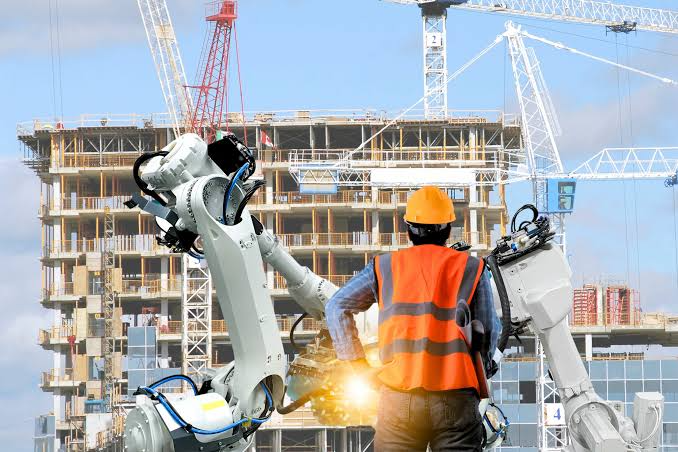
Significant breakthroughs, including low-carbon concrete, which has been discovered by AI, are currently being rolled out. In Illinois, one project applied generative AI (conditional variational autoencoders) to generate concrete formulations that emit much less throughout their lifecycle and still satisfy strength requirements on real-world data center construction.
In the steel industry, projects such as the Swedish HYBRIT are making so-called green steel, through hydrogen reduction of iron rather than carbon, with water rather than CO₂ being emitted. The aim is to ramp up production in earnest by 2026, when it is hoped it will be able to cut one of the most carbon-intensive sectors in the world.
C. Data, Systems and Software Engineering
Carbon footprint applies even to software engineers, data centers could contribute 8 percent of the total world emissions by 2030. Frameworks such as Green Algorithms are designed to measure the carbon cost of computations, and architectural adjustments (such as scheduling workloads when there is renewable energy available) can cut emissions by orders of magnitude.
The tuning of data engineering systems is now being applied to track supply chain emissions, power sources, construction lifecycles, and bring them into real time dashboards.
Research indicates that it is in utilizing big-data analytics that visualization and deployment of resources to reduce carbon can be enhanced alongside preserving or increasing efficiency.
4. The Tools Available to the Engineers
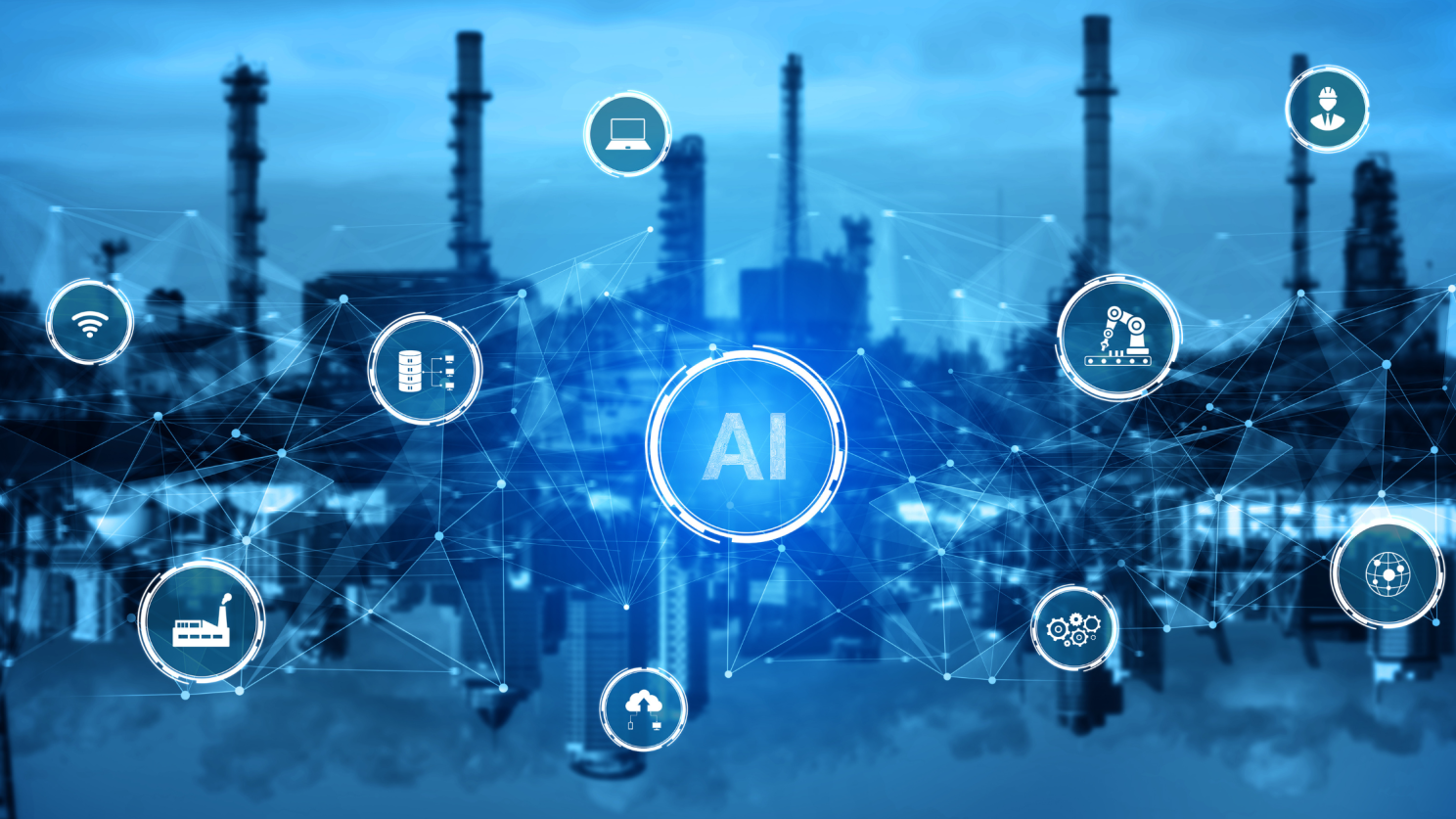
What is the power behind carbon-neutral engineering? Some strategic levers are:
- Renewable energy: Solar, wind, and hydrogen energy, and battery systems are more effective and affordable than before. The potential of wind power in the North Sea of Denmark is estimated at more than 120 GW by 2030, which is important in providing clean energy in Europe.
- Carbon capture and storage (CCS): The Norwegian Northern Lights project is the first to test large-scale transportation and storage of liquefied CO₂, with a target of 5 109 million tonnes of CO₂ per year and delivery to hard-to-clean industries such as cement.
- Bio-based & low-embodied-carbon materials: Now materials selections can fix the embodied emissions by locking in net-negative or net-low carbon by sequestering during growth and low processing burden.
- Digital integration & carbon intelligence: Companies are integrating carbon- monitoring into engineering designs, supply chains, energy scheduling and client reporting. Such tools as net zero as a service enable real-time lifecycle GHG monitoring on a per-project basis.
Smart design and energy efficiency Passive building design, rehabilitation of older buildings to minimize energy consumption, district heating (as in Sonderborg, Denmark) now cut emissions drastically at scale due to energy efficiency and waste heat recovery.
5. Business & Competitive Advantage
Carbon-neutral practices are not a moral option only, but they are good business as well:
- Cost savings: The saved energy and waste through efficiency as well as operational savings on holding operations during off-peak or energy surges of renewable energy cuts operational cost.
- Reputation and risk management: The companies pursuing carbon neutrality attract talent, meet investor ESG demands, and decrease the possibility of exposure to regulation risks. Low-carbon credentials are becoming very much demanded by consumers and interested stakeholders.
- Innovation leadership: Companies that have incorporated carbon measurement and mitigation into the engineering process can provide state-of-the-art designs, enter new markets, and have first-mover advantage when it comes to low-carbon infrastructure and low-carbon materials.
- Compliance & policy alignment: Policies such as the U.S. The Inflation Reduction Act (IRA) provides tax credits to renewable energy, green hydrogen, electric vehicles and CCS, making carbon-neutral projects both financially appealing and policy-friendly.
- Access to Investor And Climate Finance: Reuters and McKinsey report that more than $450 billion annually are channeled into developing and industrial regions because of climate finance, yet carbon markets and credits are increasingly defining who will or will not qualify.
6. Real-World Stories: Engineering at Work
- Sonderborg, Denmark: A town that wants to be carbon-neutral in its entirety by 2029. By investing in district heating (to use waste heat), insulation, heat pumps and moving to renewables they have reduced emissions by 66% since 2007. People got involved due to savings on cost-and pride came afterward.
- Oslo, Norway: Oslo requires that all municipal construction machinery in Oslo be emission-free since January 1, 2025. By 2023, 98 percent of construction undertaken by cities was fossil-free.
- North Sea Wind Power Hub: Danish and UK engineers are developing huge offshore wind farms, such as Thor (1,000 MW), which makes green hydrogen and e-methanol to fuel shipping-and shows how renewable hydrogen can be used on a large scale to decarbonize carbon-intensive transport.
- Pharma Giants In Business: Merck expects to be carbon-neutral in its operations by 2025 and further value-chain reductions by 2030. Eli Lilly, Johnson & Johnson, and Pfizer are doing the same-stoking the demand of low-carbon engineering throughout lifecycles.
7. Obstacles & the Way Ahead

A. Technical Complexity: The challenge of incorporating carbon accounting in the various stages of a lifecycle is complex. The approaches differ, and companies also find it difficult to standardize emissions data, embodied vs operational carbon in particular.
B. Mature Technology scaling: Green hydrogen steel and carbon-free concrete are two breakthroughs that are still in pre-commercial stages. It needs widespread investments in infrastructure and new supply chains.
C. Policy & Financing: There are landmark legislations (e.g. IRA) and carbon markets but in a globalized world, there should be consistent regulatory frameworks and incentives are required across the world and particularly in emerging economies where infrastructure is growing at a rapid pace.
D. Skills Gap: Engineers should be trained in interdisciplinary areas- a mixture of energy modelling, materials science, lifecycle analysis, renewables, CCS and data systems. The shortage in skills is a fact; Europe will need 180,000 additional hydrogen specialists and 66,000 solar PV by 2030.
8. The Reason Why It Is No Longer An Option
- This is time consuming: The world 1.5 °C goal needs to be addressed now. Engineering is long-term, designs in the present will last decades, so every infrastructure choice will commit the next generations to emissions or resilience.
- The real thing is opportunities: Whether in cost-saving, or innovation, access to funding or competitive advantage: carbon neutrality is a win-win with the proper engineering strategies.
- Regulation and market are fast changing: Companies, shareholders, governments, and societies have come to expect and to pay a premium to carbon-neutral certificates. Non-compliance implies losing or falling behind in the market.
In short:
All industries including construction, manufacturing, software and transportation must now consider carbon.
Emission measuring, controlling and removing technologies are readily available. The technical, moral, and economic argument is obvious.
Engineers that overlook carbon neutrality are not only missing an opportunity, but they are increasing risk.
9. The Action Framework of How Engineers Can Lead

- Bake Carbon Measures In: Incorporate life-cycle analysis in the planning and design. Monitor embodied and operational emissions.
- Use digital technologies and carbon dashboards: Use carbon data in BIM, energy management systems, supply chains and investor reporting.
- Use cleaner materials and approaches: Bio-based materials, low-carbon concrete, hydrogen steel, passive building design, heat pumps and district energy.
- Streamline Energy Use: Time‑intensive workload or activities to coincide with renewable energy production, develop on‑site solar, storage, and smart grids.
- Offsets As A Strategic Tool: Strategically apply certified offset mechanisms where emissions are difficult to reduce (e.g. in hard-to-abate sectors) but only as the residual option to net-zero thresholds under more stringent standards (e.g. residual emissions less than 10%).
- Learn And Work Together: Become a member of interdisciplinary groups, such as engineering, materials science, data analytics, sustainability policy, and train into new carbon-intelligent positions.
10. The Carbon‑Neutral Future

Imagine cities with buildings that produce more energy than they consume, working with wind and solar; transport operating on green hydrogen; materials such as concrete and steel with low carbon; supply chains that are carbon-efficient; and data centres that are time-shifting against renewable peaks. It is not a future that is decades away, but it is beginning right now.
Carbon-neutral engineering is no longer a choice as governments step up regulation and markets start rewarding sustainability. It is a permit to develop in a responsible manner. The engineers of today are the guardians of our constructed future and the choices they make would reverberate down generations.
We should turn infrastructure into climate solutions, not problems with a sense of urgency, innovation, and commitment. The instruments are present. The examples are multiplying. It is time to take action.
In conclusion, carbon-neutral engineering is not a choice: it is feasible, feasible, and needed. The engineers have the opportunity and obligation to be on the front line of a sustainable future.

Asamaka Industries Ltd
Asamaka Industries Ltd specializes in providing comprehensive control automation solutions across multiple industries including automotive, power generation, and distribution. From electrical design to implementation of advanced technologies like robotics and vision systems, we cater to the unique needs of each sector, ensuring safety, quality, and efficiency in every project.
Discover how Asamaka Industries Ltd can support your automation journey with their complete range of solutions and expertise.
Visit Company Website


Asamaka Industries Ltd specializes in providing comprehensive control automation solutions across multiple industries including automotive, power generation, and distribution. From electrical design to implementation of advanced technologies like robotics and vision systems, we cater to the unique needs of each sector, ensuring safety, quality, and efficiency in every project.