
News
How Engineering Innovations Can Cut Operational Costs by 30%
With operations cost management as vital as top-line growth in this fiercely competitive age, organizations are tested from production centers to supply chains to health units to technology-enabled businesses to deliver efficiency with rising costs within their reach.
Energy prices are volatile, supply chains are becoming complex, and end-consumers insist on faster, more responsive, and eco-friendlier operations. The old-fashioned cost-cutting through headcount reduction, outsourcing, or reduced budgets just won't do. Increasingly, the business world is considering engineer-driven innovations as a more astute and lasting means of delivering compelling cost savings.
Engineer-led cost management solutions are all about reframing systems, processes, and technology for providing sustainable value. They are different from short-term solutions because they bring efficiency right at the heart of the operations of doing business.
Organizations can harness innovation through automation, artificial intelligence (AI), integration with renewable energy sources, or new manufacturing to eradicate waste, energize productivity, or reduce downtime. The outcome is more than incremental cost cutting but revolutionary gains to achieve up to 30% cost reduction--an ideal and a reality with properly applied technology tools.
Think about what automation and robotics are doing to manufacturing. What once needed scores of man-hours and weeks of production to accomplish can be done more quickly with reduced errors and waste materials. Or think about applying Internet of Things (IoT) platforms to monitor equipment performance on a real-time basis by avoiding expensive breakdowns before they happen.
These are not futuristic dreams; they are established solutions already transforming industry on a global basis. The most important lesson for business leaders is this: doing more with less is not about efficiency; doing more with better technology is.
The solution to this change is engineering innovation. When businesses integrate intelligence, automation, and sustainability into every aspect of operations, they are doing more than reducing cost; they are better at being competitive, resilient, and successful in the long term.
This article discusses how companies in various industry segments are leveraging engineering innovation to reduce the cost of operating activities by as much as 30% and introduces technology, strategies, challenges, and opportunities that characterize this new wave of cost reduction.
The Cost Challenge in Today's Businesses

A) Operating costs are one of the biggest challenges for businesses of all sizes.
Though revenue growth dominates the headlines, in truth, uncontrolled spending quietly drains profitability and limits reinvestment. Starting with utility costs through labor, maintenance, logistics, and compliance, the lists of routine expenses continue to grow—and so do demands to bring them under control as competition intensifies in markets.
B) Energy consumption is the greatest challenge.
To producers, energy accounts for nearly 30% of what it takes to operate their businesses, and wild swings in international fuel prices render budgeting for costs a joke. Factories that use obsolete equipment or low-efficiency air conditioning and lighting often have utility bills that are way more than they have to pay. With shipping and transportation, rising fuel prices, and carbon conformity fees on the squeeze, companies are forced to revise their operations.
C) Another challenge is labor and productivity.
While labor will never go away, repetitive and manual labor can halt efficiencies. Bottlenecks, rework, and downtime are fueled by human errors, fatigue, and skill deficiencies. Organizations that do not cut out these inefficiencies pay more to fix mistakes than to prevent them. In addition, the global shortage of skilled employees in sectors like manufacturing and engineering has pushed organizations toward looking for smarter ways of accessing limited talent.
D) Downtime and upkeep are expensive areas as well.
Line shutdowns due to equipment failure can shut production lines down and cost firms hours of lost production worth millions of dollars. Calendar or reactive upkeep or maintenance, commonly conducted as a way of sustaining gear operations, usually fails to find the root causes of failures. Failure to be able to anticipate and plan ahead of disruptions leads to costly repairs, wasted materials, and late shipping.
E) Finally, supply network complexities are confronting companies.
As much as globalization opens opportunities, supply networks are as susceptible and subject to delay, disruptions by geopolitics, and differential transport costs. Organizations that have old planning systems have poor visibility and coordination and, therefore, experience inefficiencies and high operating costs.
Together, these problems paint the picture of an environment in business where cost management is no longer optional—it's mission-critical. But cost-cutting should not be at the expense of quality, safety, or growth potential. The solution is not quick fixes but in engaging engineering innovations that simplify processes, eliminate waste, and build resilience.
This transition is not merely keeping costs down; it is about developing a business model that excels in efficiency, sustainability, and ongoing improvement.
Engineering Innovation to Minimize Costs
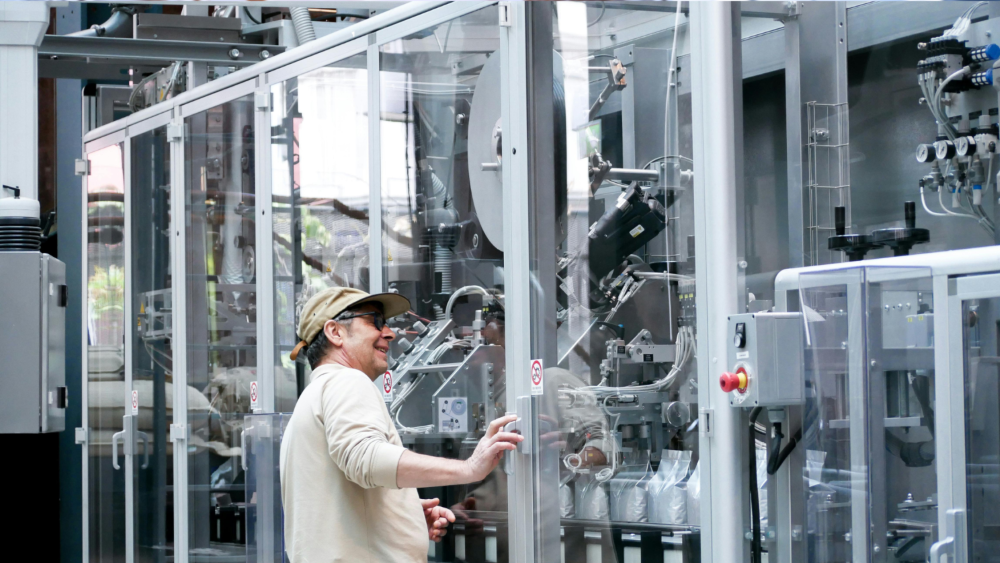
It is not simply constructing things; it is constructing better, faster, cheaper systems. More recent innovations have shown that up to 30% of operational expenses can be saved by adopting a technology-focused strategy.
A) Automation and Robotics
Robotics ushered warehouses and plants into a new era by automating boring tasks. Computer systems are operated 24/7 with fewer errors, reduced downtimes, and increased safety. The logistics case is not an uncommon one; automated sorting uses high-speed acceleration to deliver faster and lower labor costs. The outcome is a substantial reduction in labor costs and increased productivity with a safer work environment.
B) Artificial Intelligence (AI)
AI empowers companies to respond proactively instead of reactively. Predictive maintenance by sensors of AI identifies prospective apparatus failures before they happen to prevent costly shutdowns. Retailers use AI to optimize demand forecasting to reduce waste and overstocks. By helping firms to predict issues and optimize resources, AI generates bottom-line cost reductions.
C) Internet of Things (IoT)
IoT sensors turn regular systems into smart data systems. Building-based ones adjust cooling or heating automatically to fit the temperature to occupancy to reduce energy costs. Logistics ones monitor fuel usage and performance of vehicles to determine the best routes. Managers can directly see and get rid of waste with real-time information.
D) Renewable Energy and Efficiency
One of the biggest organisational expenses is usually energy. Using solar panels, windmills, or bioenergy reduces dependence on costly fossil fuels, but energy-saving measures like the use of LED lighting or energy recovery plants lower average consumption even further. They save money and place organisations inside environmental boundaries.
E) Advanced Design and Materials
Occasionally, savings are a result of the materials themselves. Low-energy materials decrease energy usage at production as well as at transportation. Self-healing concrete expands infrastructure lifespan as well as saves on repair costs. While 3D printing decreases waste of raw materials, it also allows for quick production, helping businesses to do more with less.
Case Studies & Real-World Impact
It is one thing to detail engineering breakthroughs on paper; quite another to watch businesses already saving millions by doing so. Across the spectrum of industry, pioneering businesses are showing how intelligent engineering can save massive amounts of cash as well as lead to increased efficiency.
A) Manufacturing: General Motors (GM)
General Motors invested significantly in automation and robotics, with automation powering its production lines via artificial intelligence (AI). AGVs are deployed to handle car and truck parts with precision, with minimal human intervention and production downtime. Artificial intelligence-based predictive maintenance reduced downtime by substantial margins and saved GM by about $2 billion annually. GM paired automation with data-based analysis to not only reduce operation costs but also improve product quality and employees' safety.
B) Logistics: DHL
International logistics giant DHL used robotics and IoT to mechanize warehousing processes. Robots are used in picking and sorting, and IoT sensors track fleet routes for optimal delivery. Delivery time and labor cost were lowered by almost 25% using such technology. DHL's warehouses are more optimized with fewer errors and reduced fuel consumption.

Get the Training You Need for a Safer Workplace!
Autonomous mobile robots are one of the fastest-growing segments of the robotics industry. During this live virtual training, you'll be introduced to safety protocols and best practices for working with mobile robots in industrial settings.
Learn more and register now for upcoming training dates.
C) Retailing: Walmart
Walmart used AI and IoT to maintain its gigantic supply chain in check. It reduced overstocking by predicting customer demand through the power of AI and reduced waste by millions of dollars. IoT sensors track refrigeration in real time to save energy costs by millions of dollars annually. All these efforts assisted Walmart in saving costs but without losing its low-price image.
D) Energy: Siemens
Renewable energy integration and energy efficiency were solutions developed by industrial engineering giant Siemens for businesses around the globe. Up to 40% energy bill reductions were realized by Siemens' customers with their intelligent building solutions. Using their digital twin technology—virtual copies of physical-world systems—businesses can simulate performance before rollout to avoid costs of design flaws.
E) Start-ups and Small Businesses.
Their benefit is not just for giants of the global scale, either. Small companies produce samples through 3D printing without making costly runs with materials. Small logistics companies implementing route-optimization software save fuel payments in two-digit figures. Even a small factory turning to green energy can save thousands annually on utilities.
These are just a few examples to show that engineering breakthroughs are not tomorrow's technology but are tools businesses can apply today. Across manufacturing, logistics, retailing, and energy, businesses shifting to smarter systems always decrease costs while they become more responsive. The result isn't cost savings by itself; it's a stronger footprint within a tougher market.
Challenges & Hurdles to Adoption
While engineering breakthroughs are capable of cutting costs of operations by as much as 30% or more, never is the trajectory to implementation straight. Most businesses—even those already established as incumbents—are faced with hurdles that set back or complicate implementation. Knowing such challenges is the first step to resolving them.
High Initial Cost
The upfront cost of automation, artificial intelligence technology, or renewable energy power plants can be excessively high. Capital outlay acts as a discouragement for small and medium-sized enterprises, although potential cost savings are real. Most managers have no desire to loosen budgets to such technologies with an ROI that will be realized far down the road.
Workforce Resistance and Skill Gaps
It is not just technical but also human. Workers dread that their job might be automated or done by artificial intelligence and hence resist the implementation stage. New-edge technology, however, requires new skills above existing ones, ranging from data analysis to programming robots. Companies with minimal or no training or reskilling initiatives might not fully leverage their human resources.
Integration with Other Systems
Legacy hardware and software are used by most organizations. Introducing new engineering solutions, this typically entails making such solutions compatible with already installed legacy systems, and these are not only expensive but technically complex as well. Unintended changes result in slowdowns, outages, or even business interruptions.
Cybersecurity Challenges
The attack surface grows as operations become more digital. Cloud infrastructure, IoT sensors, and connected devices offer a chance for vulnerability until protected. When companies have sensitive customer or financial information, security is not a choice—it's mandatory. But protecting new systems is more expensive and complicated.
Regulatory and Compliance Issues
Companies dealing with energy, aviation, or health are highly regulated businesses. Entering into new technology involves going through lengthy authorization processes or conforming to norms. It slows innovation even where there is an open opportunity to reduce costs.
Short-Term vs. Long-Term Growth
Furthermore, companies under quarterly expectations to deliver might refrain from taking longer-term perspectives regarding engineering innovation investment. Long-term cost-reducing-focused leadership groups might forget longer competitive returns deriving from sustained improvement in efficiency.
Moving Forward
Though such challenges are justified, they are not insurmountable. Sound planning, collaboration, and phased approach adoption strategies can reduce risk to release cost-savings potential grounded in engineering capability. Successful companies will embrace challenges as opportunities to innovate smarter rather than as obstacles to halt them.
The Future of Cost-Saving Engineering Innovations
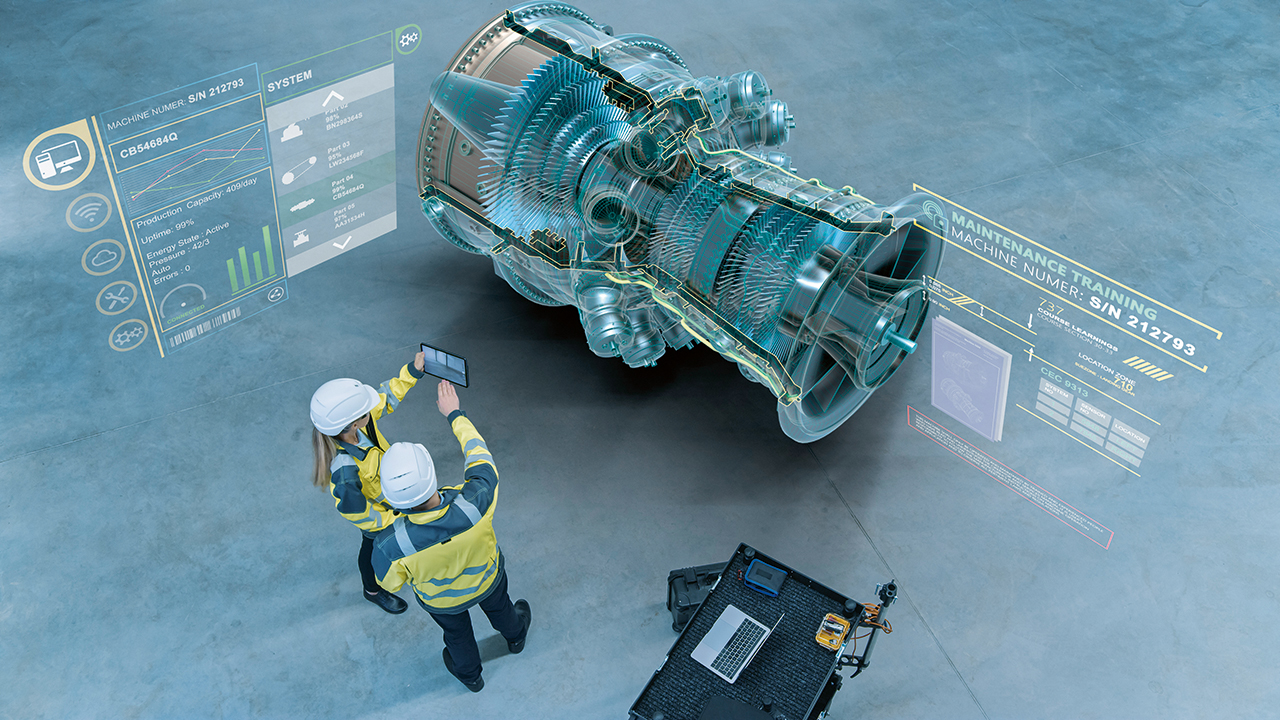
The coming decade will be revolutionary for companies that are open to innovation through engineering. Everything we are seeing today—automation, digital twins, integration of renewable energy—is just the start. Even more advanced tools are in the future that will take operational cost savings beyond the 30% threshold we see today.
Artificial Intelligence That Learns in Real-Time
AI systems currently optimize processes based on preestablished models. The next generation will go a step further, with self-learning algorithms that are capable of altering operations in real time as the situation changes. A factory, for example, might dynamically reroute production lines based on sensor feedback, minimizing waste, downtime, and energy usage without human involvement.
Fully Autonomous Operations
From mining to logistics, fully autonomous systems are coming. Imagine warehouses in which robots not only move goods but also take care of themselves, or delivery fleets that navigate traffic on their own. Those innovations won't just reduce labor costs—they'll eliminate inefficiencies related to human error and scheduling limitations.
Green Engineering at Scale
Sustainability and cost savings are converging. Future engineering solutions will make renewable energy not just a green choice but the most economical choice. Advances in energy storage, smart grids, and waste-to-energy solutions will allow firms to reduce energy spending dramatically while meeting environmental goals.
Digital Ecosystems and the "Factory of the Future"
Digital twins are evolving into complete ecosystems where every machine, process, and decision is tried and simulated in the virtual world before they are executed in the physical world. This turns innovation and process optimization into an almost zero-risk endeavor. Costs of trial and error previously incurred will disappear.
Personalized Engineering Solutions
As 3D printing and modular robotics technologies become more developed, businesses will be able to customize equipment and processes to their precise needs. Instead of one-size-fits-all systems, businesses can deploy bespoke solutions that maximize efficiency, reduce wasteful expenditure, and scale according to need.
Conclusion
Cutting operation costs by 30% is no longer a far-off fantasy, but a very tangible outcome achieved through engineering advancements. With digital twins and automation, renewable energy and predictive maintenance, businesses now possess more technology than ever before to streamline processes, get rid of waste, and reach new levels of efficiency. That which was possible in years to restructure can now be accomplished within months with the intelligent deployment of technology.
But the effect of these innovations is greater than numerical. Lower costs translate into higher resilience, competitiveness, and capacity to reinvest in growth. To a large number of companies, such savings can be the difference between survival through market upheaval and industry dominance. In a world where margins are increasingly thin, a 30% reduction in cost can transform not just the bottom line, but the strategic vision of an entire enterprise.
Tomorrow, though, holds out even greater promise. With the advent of artificial intelligence, autonomous operations, and deployable green power, tomorrow's companies will not only save 30%-but 40% or more. Those who move now will already be ahead of the curve to collect these benefits, while slow movers are liable to get caught out in a world where efficiency and nimbleness are prized above everything else. For organizations willing to act, the plan is clear: innovate, adapt, and observe how operational costs go down while opportunities rise.
Asamaka Industries Ltd
Asamaka Industries Ltd specializes in providing comprehensive control automation solutions across multiple industries including automotive, power generation, and distribution. From electrical design to implementation of advanced technologies like robotics and vision systems, we cater to the unique needs of each sector, ensuring safety, quality, and efficiency in every project.
Discover how Asamaka Industries Ltd can support your automation journey with their complete range of solutions and expertise.
Visit Company Website


Asamaka Industries Ltd specializes in providing comprehensive control automation solutions across multiple industries including automotive, power generation, and distribution. From electrical design to implementation of advanced technologies like robotics and vision systems, we cater to the unique needs of each sector, ensuring safety, quality, and efficiency in every project.