
Industry Insights
iRobot Files for Bankruptcy
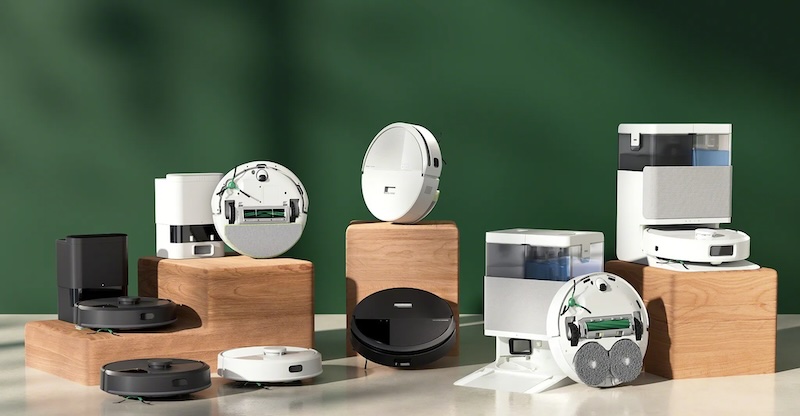
Long lauded as a beacon of success in the hardscrabble world of home robotics, iRobot confirmed over the weekend that it has filed for bankruptcy. The process finds a pair of China-based suppliers acquiring the Roomba maker through court supervised Chapter 11 proceedings.
While marking the end of a major chapter for consumer robotics, this weekend’s news won’t come as a shock to those possessing any familiarity with the industry. iRobot distanced itself from decades of failed attempts at the market with 2001’s Roomba launch. It wasn’t especially smart and lacked the bells and whistles of a higher end competitor launched nearly simultaneously by European appliance stalwart, Electrolux, but the humble robot captured lightning in a bottle.
With a more approachable price point and the functionality to warrant such an investment, Roomba bucked orthodoxy, becoming a massive success. To date, iRobot has sold more than 50 million units by its own account. Ultimately, however, Roomba’s massive success has been a double-edged sword, as the Bedford, Massachusetts company has failed to recapture that magic in the intervening years. That’s not for lack of trying, of course, as pushes have been made into pool cleaning, gutter clearing, and mopping, along with a lawnmowing robot that ultimately failed to materialize.
iRobot deepened its commitment to vacuuming, increasing the system’s mapping and navigation capabilities, incorporating bin emptying, mopping, smart home features, and more – each of which came with their own price hike. The company, meanwhile, lost a substantial marketshare at the low end to significantly cheaper off-brand models, while it maintained a commitment to the premium experience.
The true nail in iRobot’s proverbial coffin, however, was Amazon’s failed 2022 bid to acquire the firm. The consumer robots firm was banking on cash from the deal to keep it afloat, first navigating uncertainties of ever expanding deadlines and ultimately looking to life after European Union red tape marked its end with more bang than whimper. Co-founder and long-time CEO Colin Angle stepped down, and numerous rounds of layoffs followed.
Of this weekend’s news, Angle’s replacement, Gary Cohen, states,
Today's announcement marks a pivotal milestone in securing iRobot's long-term future, The transaction will strengthen our financial position and will help deliver continuity for our consumers, customers, and partners. Together, we will work to continue advancing the industry-leading Roomba robots and smart home technologies that have defined the iRobot brand for more than three decades. By combining iRobot's innovation, consumer-driven design, and R&D with Picea's history of innovation, manufacturing, and technical expertise, we believe iRobot will be well equipped to shape the next era of smart home robotics.
The writing has been on the wall for the last few days. For those monitoring the space, the question of Chapter 11 has been more “when” than “if.” The answer to that, it seems, is February 2026. As for the rest, iRobot’s new owner, Shenzhen PICEA Robotics Co., Ltd. and Santrum Hong Kong Co., Limited, (collectively "Picea") now lays claim to 100% equity, as the company says it will “continue operating in the ordinary course, pursue its product development roadmap, and maintain its global footprint.”
As for precisely what that means for iRobot, its U.S. operations, and existing staff, I’ve reached out to the company – and Cohen – for further comment.
Association for Advancing Automation
Discover how Association for Advancing Automation can support your automation journey with their complete range of solutions and expertise.
Visit Company Website


Blue Jay Way
Amazon Robotics discusses the role its Covariant talent acquisition played in the development of its new Blue Jay Robotics
Amazon-Backed Filics Raises $16M to Scale Autonomous Pallet-Moving Robots
The Munich-based firm produces autonomous, omnidirection pallet transporting robots.