
News
Human-Machine Collaboration in the Age of Automation
Human-Machine Collaboration in the Age of Automation
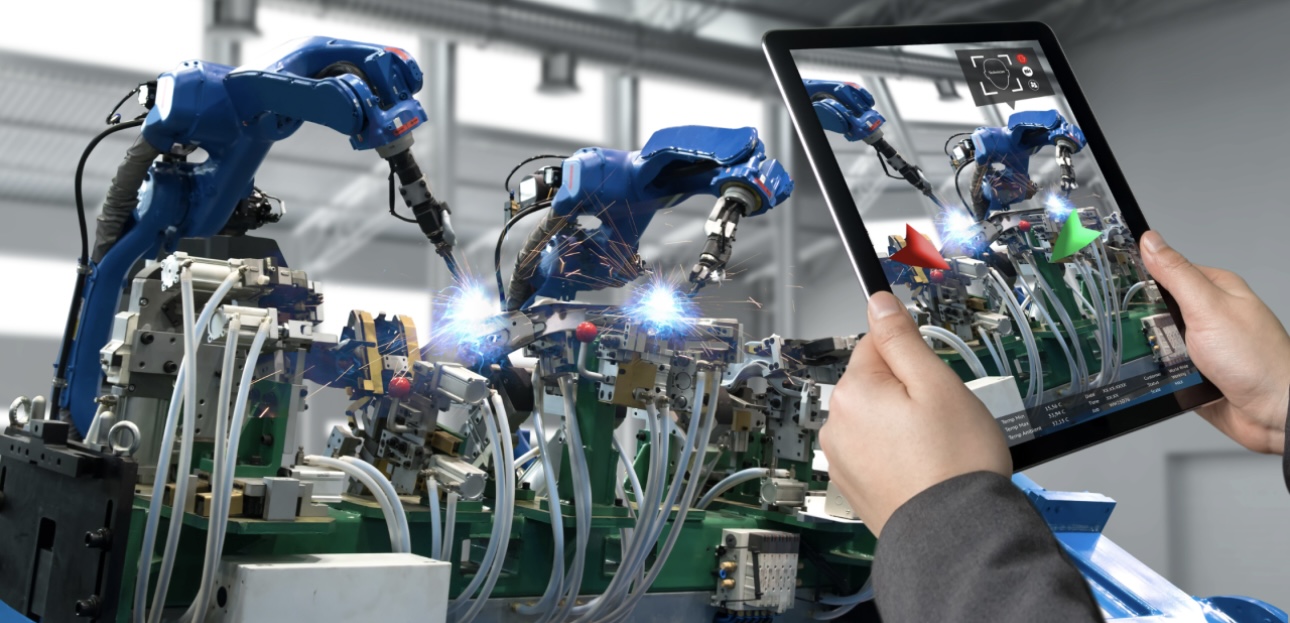
The emergence of the 21st century brought synergy between humans and machines to become a primary driving force that advances sectoral innovation and efficiency. Evolution in automation alongside artificial intelligence (AI) technologies brings human intelligence into combination with machine capabilities which now transforms entire industries through role transformations and creates novel opportunities and obstacles for businesses.
Understanding Human-Machine Collaboration
Organizations use Human-machine collaboration as a way for teams consisting of people and technology to reach shared objectives together. Modern automation goes beyond standalone machine operations since this collaborative approach features a joint activity that leverages human and machine capabilities. Human intervention combines creative abilities with critical thinking and emotional understanding but machines supply speedy data analytics and detailed execution and large-scale information processing. Through their strategic partnership these entities strengthen their output levels while improving their collective decision-making and their ability to develop new ideas.
 The Evolution of Human-Machine Collaboration
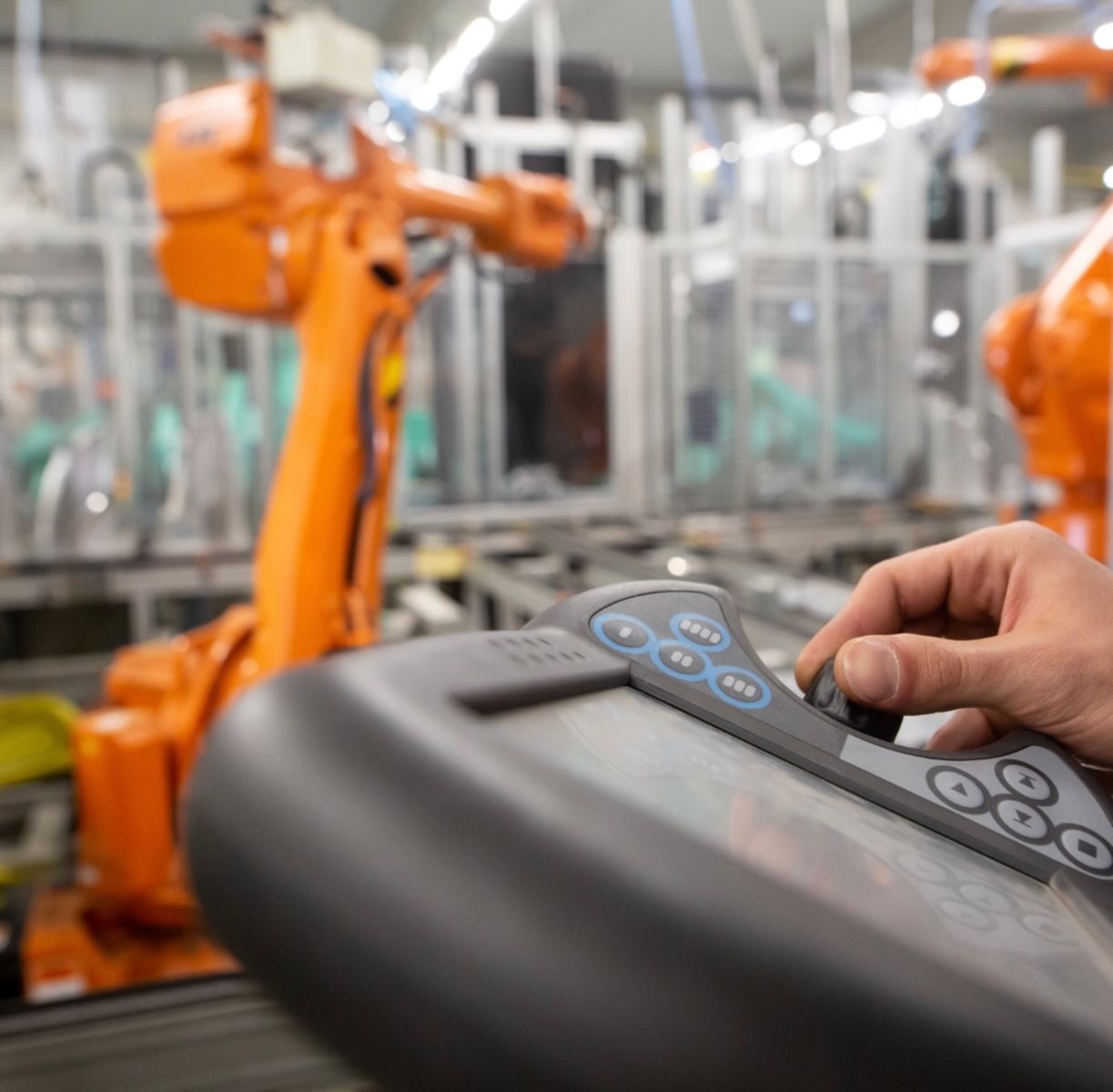
The partnership between humans and machines has followed technological progress since antiquity. Modern artificial intelligence (AI) and automation technologies allow human beings to form a dynamic partnership with machines that started as tools for labor enhancement in the early days.
1. Industrial Revolution: The Birth of Machine-Assisted Labor
The Industrial Revolution during the 18th through 19th centuries established the primary shift that human beings started working alongside machines. Factory machinery together with mechanized looms and steam engines took over from manual work which led to both faster manufacture and better efficiency. The technological revolution brought mass production into view through a system where machines automated repetitive tasks under human observation. Human oversight maintained significance despite machines replacing physical work because humans needed to handle equipment maintenance and solve encountered problems.
2. Digital Revolution: The Rise of Automation and Information Processing
During the mid-20th century the Digital Revolution arrived through computers as well as programmable machines and internet access. Technical processes together with information management and automated workflow execution became possible when computers were developed beyond industrial machines. The widespread adoption of digital equipment occurred for inventory management functions along with financial operations and messaging needs. The first industrial robot introduced by General Motors in 1961 created a new stage where automated machinery started taking over tasks with enhanced independence.
3. AI and Automation Era: Intelligent Machines and Human Collaboration
Modern advancements in AI and machine learning along with robotics technologies have transformed the way people work with artificial intelligence systems during the twenty-first century. The main distinction between standard automation lies in the fact that AI technologies possess capabilities for data processing combined with decision-making and machine learning abilities. AI diagnostics support medical professionals whereas collaborative robots (cobots) assist human operators in manufacturing plants to achieve better operational results. Modern technology development focuses on building systems which support human capabilities to achieve future solutions of complex problems through joint human-machine collaboration.
 Applications Across Industries
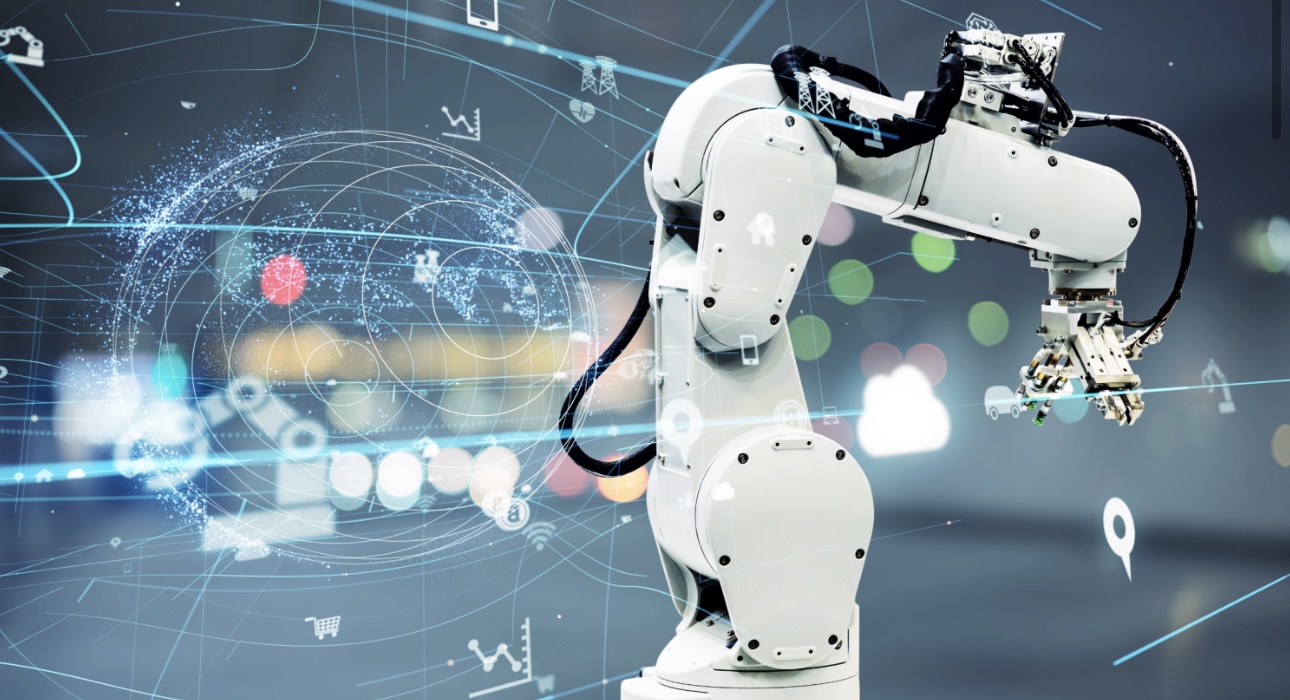
Modern industries adopt human-machine collaboration as a means to merge machine performance capabilities with human professional insights. The combination between humans and machines creates improved productivity while providing better workplace safety conditions alongside new innovation opportunities within different fields.
1. Manufacturing: Efficiency and Safety with Cobots
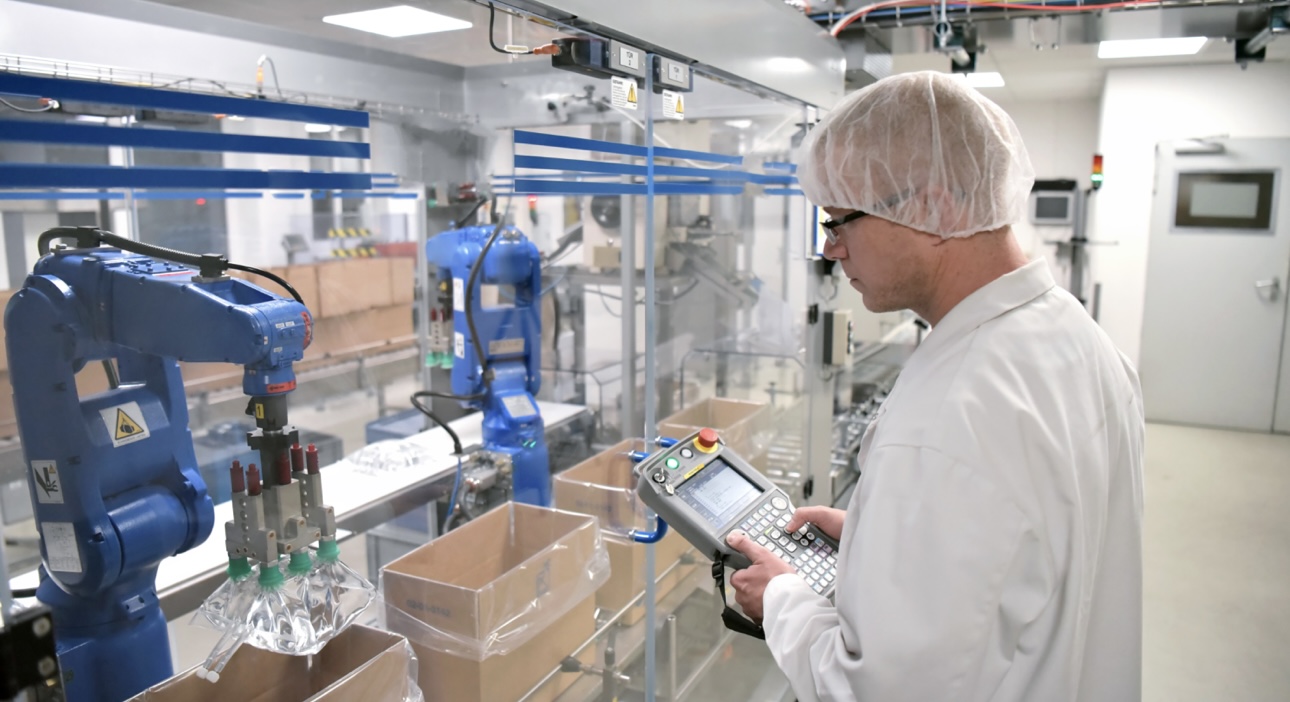
Mainstream manufacturing operations witness revolutions in their production lines due to collaborative robots known as cobots. Cobots function as collaborative robots in manufacturing through human-machine cooperation to enhance operational safety at the workplace. These robots take on repetitive manual operations besides physically challenging and dangerous tasks which reduces employee harm while human staff retain concentrated attention on innovation and quality responsibility. The Proteus robots operate independently throughout Amazon warehouses by autonomously moving items through human-controlled spaces. The assembly operations of Tesla and BMW combine robotic arms with employees who maintain creative supervision functions. The joint human-robotic effort results in shorter manufacturing durations as well as better product quality.
2. Healthcare: AI-Assisted Diagnostics and Robotic Surgery
The application of AI in healthcare produces diagnostic excellence while aiding treatment development and raising surgical levels of accuracy. Through the processing of large volumes of medical data AI diagnostic tools help doctors make earlier and more precise disease detections. The da Vinci Surgical System provides assistance to human surgeons through better precision and smaller surgical incisions which decreases the required recovery time for patients. Virtual nurse systems operated by AI together with chatbots operate continuously to deliver patient care which reduces stress on medical staff.
3. Customer Service: AI Chatbots and Virtual Assistants
Virtual chatbots and systems that operate through artificial intelligence improve customer service operations because they process basic requests and deliver instant replies and resolve frequent issues. Google and Amazon along with Apple implement AI assistants under the names of Google Assistant, Alexa, and Siri which deliver improved user experiences to their customers. Assisted human agents improve efficiency while delivering superior service quality through this system.
ROI Calculator

Discover the potential cost savings of robotic automation over a 20-year system life
This calculator compares your current manual labor costs against the total cost of owning and operating a robotic system over its 20-year lifespan.
4. Decision-Making Processes: AI Insights and Human Judgment
When deployed in managerial environments AI systems process enormous data collections which result in strategic decision-supporting insights. Businesses extract market predictions and improve supply chain operations and operational efficiency through AI analytics. The need for human oversight continues because managers must bring together ethical considerations together with creativity and contextual knowledge for final decision-making processes. Through AI-driven insight collaboration with human experts organizations from all industries can achieve data-based rapid decision making while preserving adaptable and ethical protocols.
 Benefits of Human-Machine Collaboration
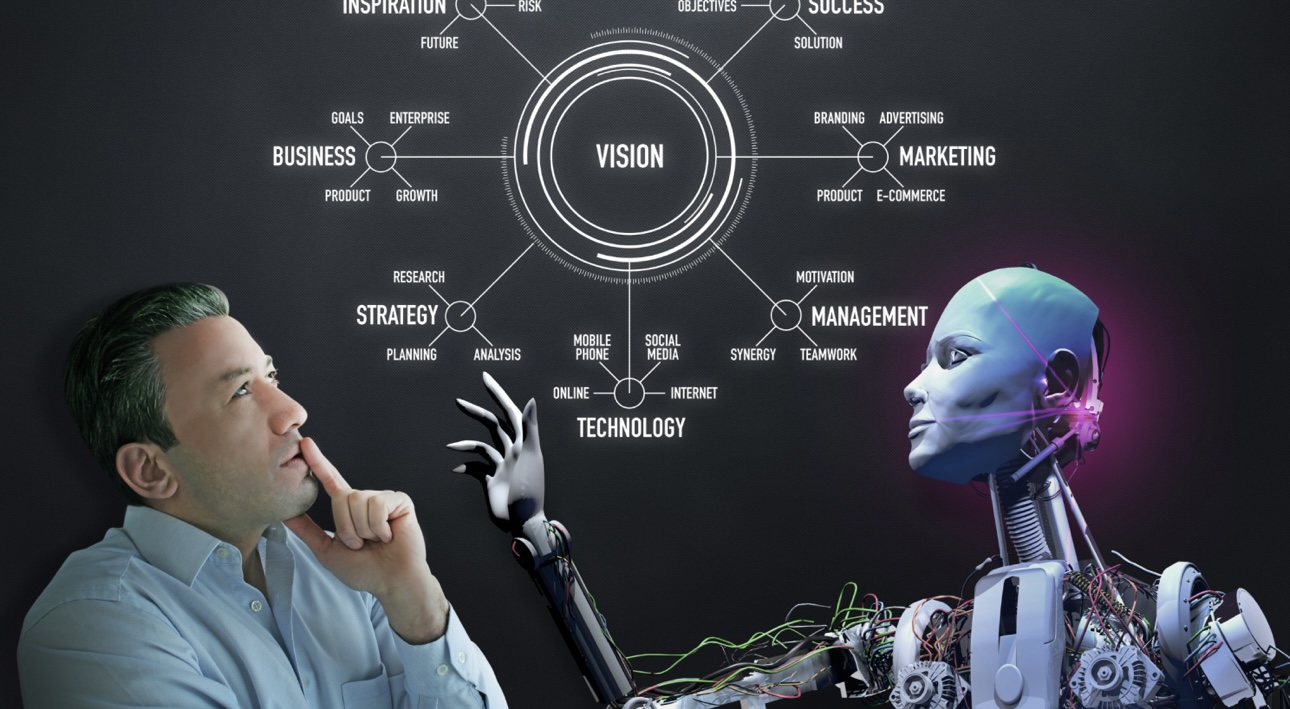
Industrial operations achieve increased success rates alongside maximum safety and expanded capabilities because human capability merges with machine operational efficiency.
1. Enhanced Productivity
Automated processes simplify tedious duties which free workers to handle vital creative assignments along with strategic tasks of high worth. Both financial business operations and manufacturing operations achieve higher efficiency through AI software processing data quickly and robotic assembly performance.
2. Improved Accuracy
The implementation of machines leads to decreased errors because they are particularly effective at delivering precise results. Medical image analysis through AI diagnostic tools produces accurate results thus reducing wrong diagnoses in healthcare settings. Automatic financial systems possess superior capabilities for detecting suspicious financial activities than traditional human-operated fraud screening.
3. Scalability
The combination of human operators with machine systems gives businesses the ability to expand their operations through economical staffing. The partnership between AI and robotics at Amazon and Alibaba helps these e-commerce companies run inventory management and order processing and logistics optimization to serve their multi million-customer base.
4. Increased Safety
Automated systems complete operations that bring risks to safety when performed by human personnel. Robotics along with drone technology allows inspections to happen in perilous settings during construction and mining operations which reduces workplace incidents. Transportation systems using self-driving technology work to achieve higher road safety through error reduction in human driving. An alliance formed between human thinkers and machine performance systems results in advanced operational efficiency alongside breakthroughs and protection against workplace hazards.
Challenges and Considerations
Human-machine team work benefits organizations but organizations need to resolve several important issues related to this collaborative approach:
1. Working tasks that humans used to do face replacements by automated systems which create worry about job termination. Several firms now concentrate efforts on teaching their staff members for different roles which appear when technology progresses. Amazon invests in training its staff to maintain control over robotic systems while staying effective working with them.
2. The systems trained with AI incorporate biases existing in their foundation data which creates ethical and bias-related issues. Standardizing the implementation of real-time AI decisions requires complete disclosure in addition to fair decision-making.
3. The excessive use of automated machines threatens to reduce the practical abilities of human employees. Human retention of essential skills remains essential for maintaining the appropriate balance.
4. The integration of machines within various processes exposes more potential targets which cyber attackers can exploit. The protection of both operational activities and processed data requires solid cyber security solutions.
Future Directions
Human-machine teamwork exists at the brink of advanced evolution throughout forthcoming years.
1. The implementation of adaptive learning systems that analyze human feedback immediately will optimize present and future collaborative relationships into dynamic and efficient interactions.
2. Explainable AI systems under development will create AI systems which explain their decision-making process to enhance both human trust and oversight capabilities.
3. Augmented Reality (AR) technology when integrated with AI will create virtual training settings which provide learners with experiential assistance through real-time tasks.
4. Future collaboration technologies will expand their usage into multiple fields from both academic institutions to agricultural domains as well as environmental management systems.
Conclusion
Modern automation brings profound changes to workplace operations through combined human-machine systems in different industries. Organizations can reach higher efficiency levels and innovation standards and achieve improved competitiveness when they utilize the natural synergies between human operators and machine systems. The successful application of human-machine collaboration depends on solving ethical dilemmas together with workforce preparation strategies and strategic planning steps.

Asamaka Industries Ltd
Asamaka Industries Ltd specializes in providing comprehensive control automation solutions across multiple industries including automotive, power generation, and distribution. From electrical design to implementation of advanced technologies like robotics and vision systems, we cater to the unique needs of each sector, ensuring safety, quality, and efficiency in every project.
Discover how Asamaka Industries Ltd can support your automation journey with their complete range of solutions and expertise.
Visit Company Website


Asamaka Industries Ltd specializes in providing comprehensive control automation solutions across multiple industries including automotive, power generation, and distribution. From electrical design to implementation of advanced technologies like robotics and vision systems, we cater to the unique needs of each sector, ensuring safety, quality, and efficiency in every project.