
Industry Insights
Japanese Robotics Giant Cyberdyne Wants to Build a Bridge to Silicon Valley Startups
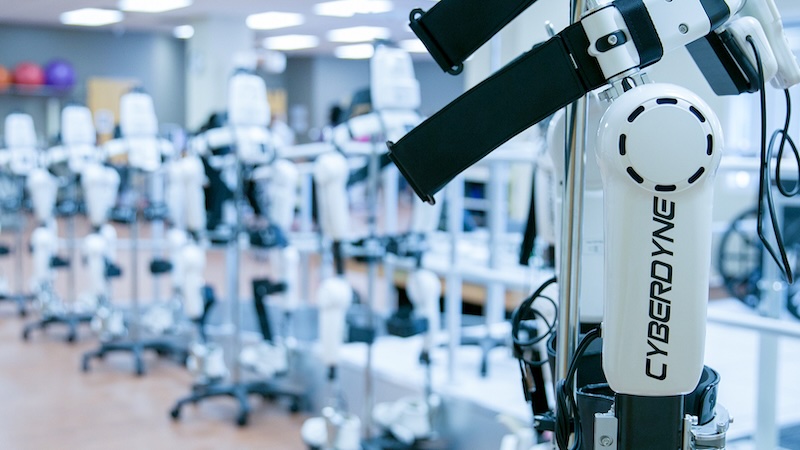
Cyberdyne has pioneered cybernetics since its 2004 founding. Now, the company is looking to back the next wave of robotics innovation by investing in Silicon Valley’s most promising physical AI companies.
The Japanese robotics giant, known for its robotic exoskeletons, launched a ¥10 billion ($62 million) corporate venture capital fund through a partnership with Pegasus Tech Ventures, a Silicon Valley VC firm that both invests directly and runs corporate venture funds.
The fund will back both young seed-stage startups and more-established companies at the Series B stage. Anis Uzzaman, the founder and CEO of Pegasus, told A3 that the fund has a 10-year horizon, but that many previous launches have lasted beyond their expected lifespan, evolving into something more evergreen.
“Cyberdyne has been one of the corporations looking for the next generation of technology,” Uzzaman said. “This was the right time to take a step forward to help them integrate their technologies with what is going on in the U.S. top AI engines. They are asking us to bridge the gap here.”
Cyberdyne isn’t just looking to make money from investing in the current physical AI wave, it’s looking to implement their tech, too. Entering into a partnership with Cyberdyne is a prerequisite for investment.
Uzzaman sees this strategic structure as a win-win situation for both sides. Cyberdyne gets inside access to new tech that can boost its existing and future products. Startups get an avenue to expand to Japan and Asia at large with a partner that has existing networks and supply chains.
The fund is particularly interested in humanoid companies as Japan faces the same labor shortages as the U.S., Uzzaman said, in addition to startups building in healthcare, automation, intelligent systems and more.
Startups also need to be based in Silicon Valley as the fund is looking to invest at least 50% into companies based in that region. When asked why a fund focused on physical AI would want to focus on Silicon Valley when many top innovative companies, especially in robotics, are based in other areas around the U.S., Uzzaman largely brushed it off. He said that even the companies not based there are still opening offices or spending a lot of time in the area.
Pegasus is an interesting partner for Cyberdyne. While the firm has made promising bets in the AI space, backing companies including both OpenAI and Anthropic, it hasn’t been especially active in the robotics and automation sectors.
The firm has made a few bets on companies like consumer robot builder Buddy and hardware startup AEye, among others, but it’s far from focused on the space. But Pegasus is a resource for finding a corporate VC general partner, and this could make deeper connections in physical AI as well which could help boost their portfolio down the line.
For robotics companies, this fund offers a chance to work with a deep-pocketed potential customer and cheerleader for their tech. Partnering with a respected giant in the space like Cyberdyne could help startups land bigger customers in the company’s network or find additional investment in a space at a time where later-stage funding and scale remain challenging to come by for many more mature robotics companies.
“It's good timing in some sense,” Uzzaman said. “They never thought generative AI was going to become this big. They knew that AI was there for research they never thought it would become what it has. We saw the evolution.”
Association for Advancing Automation
Discover how Association for Advancing Automation can support your automation journey with their complete range of solutions and expertise.
Visit Company Website


