
News
From Classroom to Clean Room: How Early STEM Education Shapes Industry-Ready Innovators
In today’s innovation-driven economy, the journey from a primary school classroom to a high-tech clean room is no longer as distant as it once proved to be. The foundations of modern industries biotechnology, semiconductor manufacturing, robotics, renewable energy, and artificial intelligence are rapidly laid early, long before students meet with university laboratories or corporate research utilities. Early STEM (Science, Technology, Engineering, and Mathematics) education is no longer just about passing exams or tests, it is about shaping inductive thinkers, problem-solvers, and innovators who are ready to operate in complex, real-world industrial environments.
Beyond Memorization: Building the Innovator’s Mindset Early
Traditional education models often emphasized learning and theoretical knowledge. While these remain important, modern STEM education at the beginning stages shifts focus toward how students think rather than what they memorize. When children are encouraged to ask questions, test ideas, fail safely, and iterate solutions, they assume cognitive habits that mirror those used in industrial and research settings.
In a safe environment where precision, protocols, and problem-solving are critical, success depends less on recalling facts and more on analytical reasoning, attention to detail, and adaptability. Early exposure to STEM projects such as building simple circuits, coding basic programs, or conducting guided experiments trains students to think systematically and inductively. These habits, formed early, mature into the disciplined thinking required in high-stakes industrial innovation.
Hands-On Learning as a Bridge to Industry
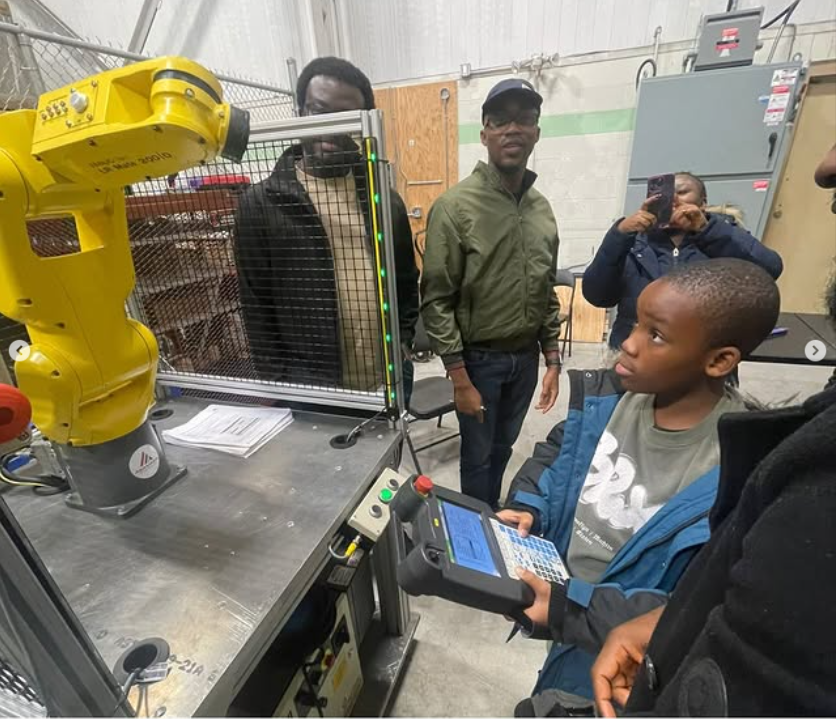
One of the strongest links between early STEM education and industry readiness is experiential learning. When students engage in hands-on activities at robotics clubs, science fairs, maker spaces, or coding bootcamps they encounter real-world problems similar to those faced in industry: limited resources, time pressure, design flaws, and the need for teamwork.
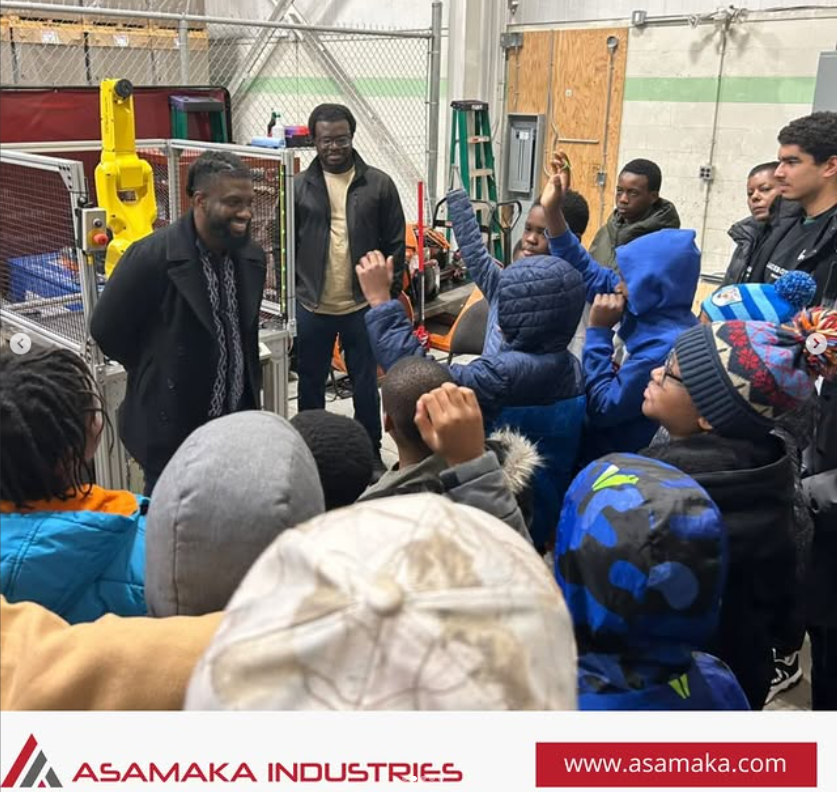
Clean rooms and advanced industrial labs demand strict adherence to processes, collaboration across disciplines, and constant troubleshooting. Students who grow up working on STEM projects understand that innovation is rarely linear. They learn that mistakes are not failures but data points, an insight that is invaluable in research, manufacturing, and engineering environments.
Early Exposure to Technology and Industry Culture
Early STEM education also serves as an introduction to the culture of innovation. Concepts such as quality control, ethical responsibility, safety standards, and sustainability can be introduced in age-appropriate ways. For example, teaching students why contamination ruins an experiment lays the groundwork for understanding clean room discipline later in life.
Moreover, exposure to modern tools, basic programming languages, simulation software, 3D printers, and sensors reduces the intimidation factor of advanced technologies. By the time these students encounter sophisticated industrial equipment, they see it not as something foreign but as an extension of tools they have already learned to respect and use responsibly.
Equity, Inclusion, and the Future Workforce
Early STEM education also plays a critical role in shaping a diverse and inclusive future workforce. When access to STEM learning begins early and reaches underserved communities, industries gain innovators with varied perspectives and lived experiences. Diversity is not just a social goal; it is an innovation advantage. Complex problems in clean rooms and research facilities benefit from teams that think differently and challenge assumptions.
By sparking interest early, especially among girls and marginalized groups, STEM education helps industries avoid talent shortages and builds a workforce that is both skilled and representative of society.
From Curiosity to Competence
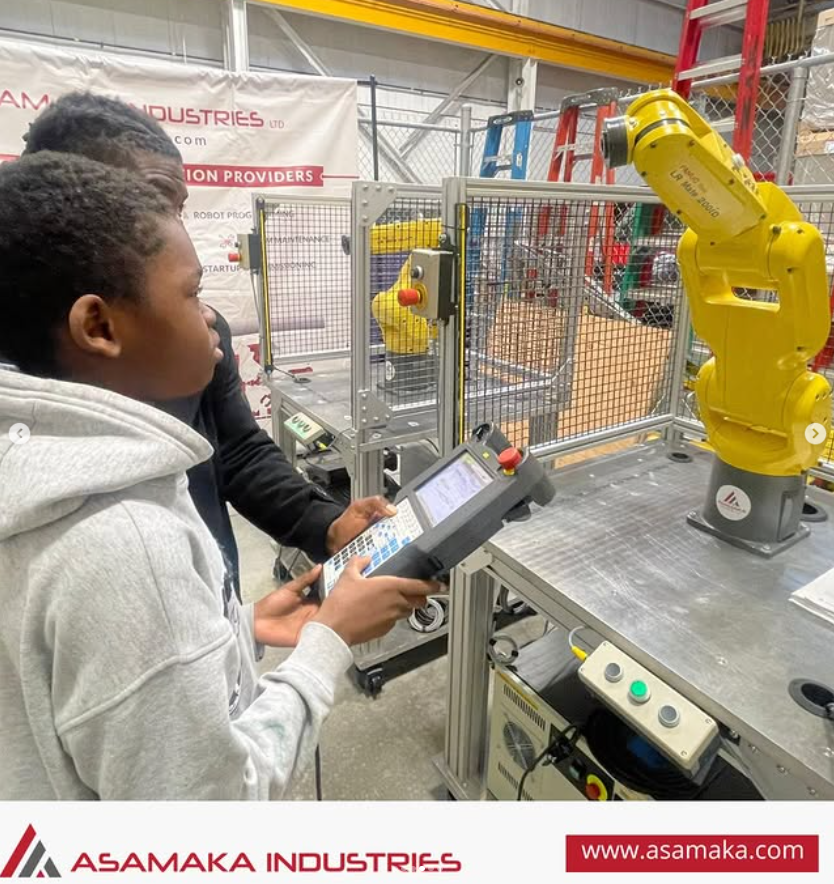
Perhaps the most important contribution of early STEM education is its ability to transform curiosity into competence. A child who wonders how a simple machine works may grow into an engineer optimizing manufacturing processes. A student fascinated by microorganisms may one day contribute to pharmaceutical breakthroughs in sterile laboratory environments.
The clean room is a symbol of precision, discipline, and advanced knowledge. The classroom is the birthplace of curiosity. When STEM education intentionally connects the two, it creates a pipeline of innovators who are not only technically skilled but also adaptable, ethical, and ready for the realities of modern industry.
Conclusion
The path from classroom to clean room is not accidental; it is carefully built through early, intentional STEM education. By nurturing critical thinking, hands-on problem-solving, technological confidence, and collaborative skills from a young age, societies prepare students not just for exams, but for impact. Industry-ready innovators are not made overnight; they are shaped gradually, beginning with the first question a child dares to ask and the first experiment they are encouraged to try.

Asamaka Industries Ltd
Asamaka Industries Ltd specializes in providing comprehensive control automation solutions across multiple industries including automotive, power generation, and distribution. From electrical design to implementation of advanced technologies like robotics and vision systems, we cater to the unique needs of each sector, ensuring safety, quality, and efficiency in every project.
Discover how Asamaka Industries Ltd can support your automation journey with their complete range of solutions and expertise.
Visit Company Website


Asamaka Industries Ltd specializes in providing comprehensive control automation solutions across multiple industries including automotive, power generation, and distribution. From electrical design to implementation of advanced technologies like robotics and vision systems, we cater to the unique needs of each sector, ensuring safety, quality, and efficiency in every project.