Aldebaran this week confirmed plans to sell off its remaining assets. The auction, scheduled for July 10, encompasses a wide range of “tangible and intangible” products, running the gamut from physical robots and components to patents, domains, copyrights, source codes, trademarks, certifications, and technical documents.
There will even be some IT equipment and office chairs available, for those in search of a practical piece of robotics history.
Founded 20 years ago, the French company is best known for producing the Nao and Pepper humanoid robots. Nao has been a mainstay in the world University research. Pepper, meanwhile, debuted in 2014, courtesy of SoftBank founder, Masayoshi Son. With Aldeberan then a part of the Japanese investment juggernaut, a push was made to commercialize its technologies.
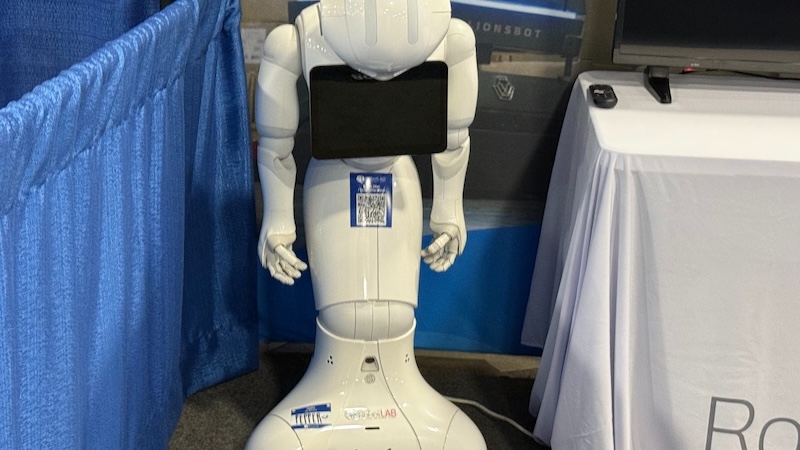
Pepper primarily served as a kind of robot ambassador, greeting people at airports and businesses. While initial sales were brisk, however, demand slowed substantially, leading to a production pause. With Aldebaran's recent liquidation, the production halt appears to be permanent, though the final decision may be left to the highest bidder.
While Pepper wasn’t ultimately useful enough to sustain demand, Aldebaran’s technology could see a second life in the research world. The rise of fellow French tech firm Hugging Face has generated plenty of interest around open-source humanoids, and perhaps Pepper and/or Nao can play a role, alongside Pollen's Reachy system.
That may just be wishful thinking, but it there would be a certain satisfaction in seeing the pioneering robots participate in the humanoid boom they preceded by several years. A more likely near-term outcome, however, would involve efforts to begin selling the robots again.
At very least, Alderbaran’s newest robot, Plato, could be a prime candidate for continued sales. Introduced in 2022, the wheeled system is designed for hospitality and restaurant settings, serving a similar niche as those produced by Bear Robotics.