How many units constitute a pilot? What sorts of numbers are we really talking about when we talk about scale? And what is that professionally produced promotional video really showing us? Is it closer to a demo or a car commercial?
It’s my job to ask these sorts of questions. There’s also a baked-in understanding that the question isn’t going to be straight forward. In the case of pilots, for instance, information like this is often tightly controlled by partner companies. Generally speaking, trade secrets are secrets for a reason.
A lot of NDAs are signed in advance, limited the level of information you’re allowed to disclose through your own channels. Often specifics are left out of press releases, and timelines are kept intentionally vague. After all, that’s the nature of a pilot with truly novel and disruptive technologies.
If it goes well, you expand it. And then maybe you start to begin to think about potentially having conversations about scaling in a more meaningful way. If implementing new tech requires any change to existing processes and even a temporary disruption of output, manufacturers need to be certain it will help them quickly make up that lost time.
We’ve entered an interesting period in the humanoid hype cycle. There’s still plenty of sparkle and it sure feels like we get a few more competitors every week, some of the more seasoned firms (if that adjective can be applied to a technology in its infancy) have grown comfortable revealing more pieces of their early roadmap.
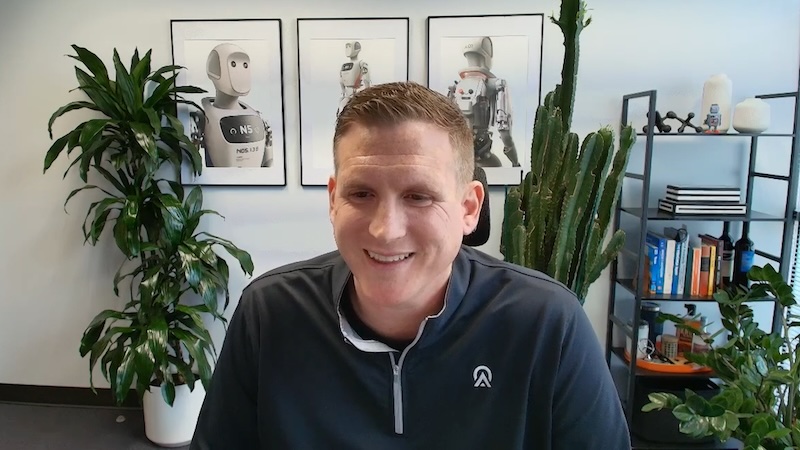
Much to his credit, I’ve long found Apptronik cofounder and CEO Jeff Cardenas to be one of the more forthright executives in this category. That’s not to say there haven’t been specifics he couldn’t disclose – that’s part of the job description – but his answers are generally straightforward and grounded.
We dug into a lot of these questions in the Automated podcast episode that dropped yesterday, and expanded the conversation a bit with our recent Humanoid Robot Forum (HRF) fireside. It was specifically a bit about timelines for deployment and scaling that leapt out at me.
Quoting Cardenas here,
I think, realistically, in terms of deployments, you’re going to see hundreds, maybe low thousands of systems. I think ’27 becomes the year when you see the industry scale up more and more. If you understand how many robots are actually deployed, largely, most successful robots out there are actually in the hundreds. There’s Locust, which has, I think, 10,000 systems. That’s I think, the largest mobile robot deployment that I’m aware of. That’s the largest deployment I’m aware of outside of Amazon.
Incidentally, next week’s podcast episode happens to be with other HRF fireside, Brad Porter, who helped spearhead that Amazon deployment. This has given the Cobot CEO some truly unique insight into what deployment looks like on a massive scale, as Amazon now has more than one million robots out in the world.